
What's Happening?
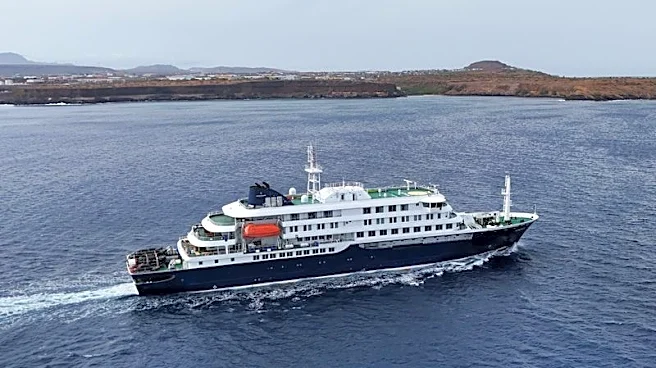
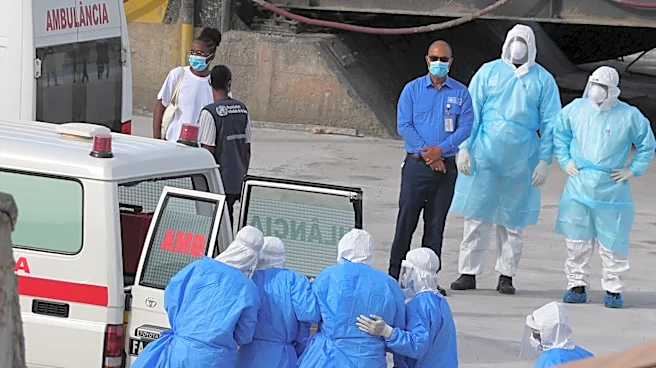
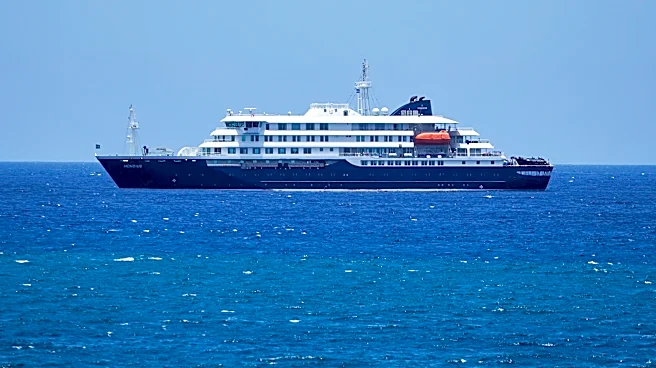
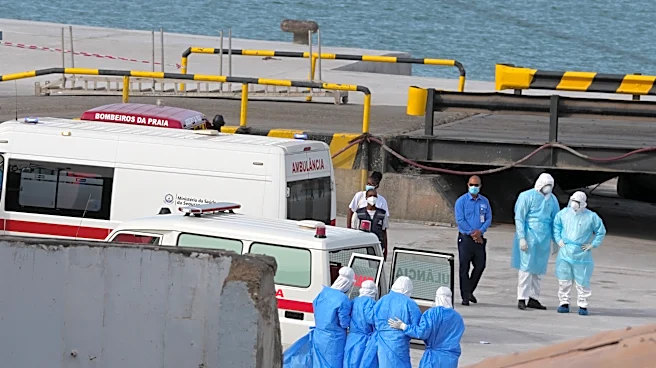
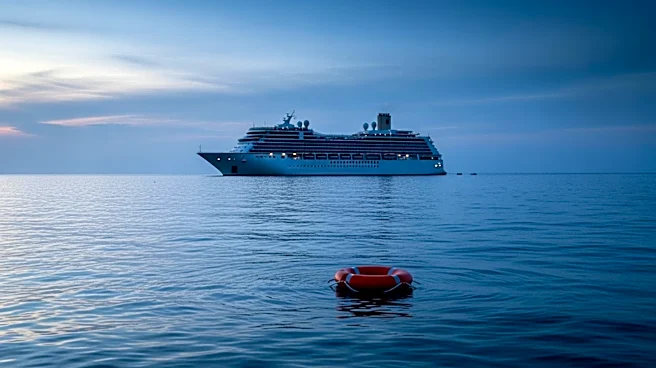
A hantavirus outbreak has occurred on the cruise ship MV Hondius, resulting in the deaths of three individuals and several others falling ill. The ship, which departed from Argentina, is currently en route
to Spain's Canary Islands. The outbreak has drawn international attention as passengers had disembarked and traveled to various countries before the full extent of the outbreak was understood. The World Health Organization (WHO) has stated that while more cases are expected, a large-scale epidemic similar to COVID-19 is not anticipated. The virus involved is the Andes strain of hantavirus, which is rare but can be severe and, in some cases, spread between humans through close contact.
Why It's Important?
The outbreak on the MV Hondius highlights the ongoing challenges of managing infectious diseases in a globalized world where travel can facilitate the rapid spread of viruses. The situation underscores the importance of robust health monitoring and response systems on international travel vessels. The WHO's involvement indicates the seriousness of the outbreak, although their assurance that a widespread epidemic is unlikely may help mitigate public fear. The incident could lead to increased scrutiny and possibly stricter health protocols for cruise ships and other forms of international travel, impacting the travel industry and public health policies.
What's Next?
As the MV Hondius heads to the Canary Islands, health officials are likely to conduct thorough investigations and contact tracing to prevent further spread. The WHO and other health organizations may issue guidelines or recommendations to enhance safety measures on cruise ships. Countries receiving passengers from the ship might implement additional screening and monitoring to manage potential cases. The travel industry may also see changes in health protocols to reassure passengers and prevent similar outbreaks in the future.