




What's Happening?
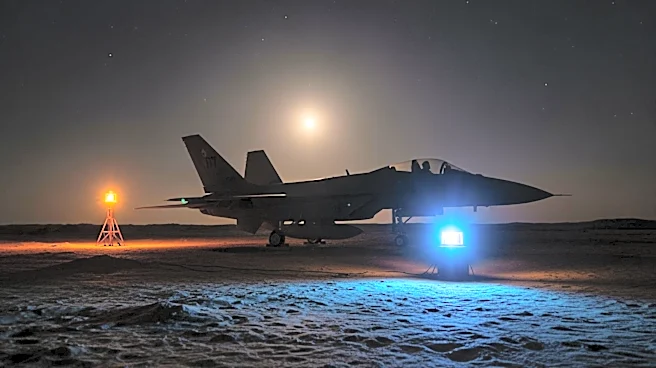
A U.S. navigator from a downed F-15E fighter jet was successfully rescued in Iran following a high-risk, two-day military operation. The mission, described as one of the most complex in recent military history, involved hundreds of special operations
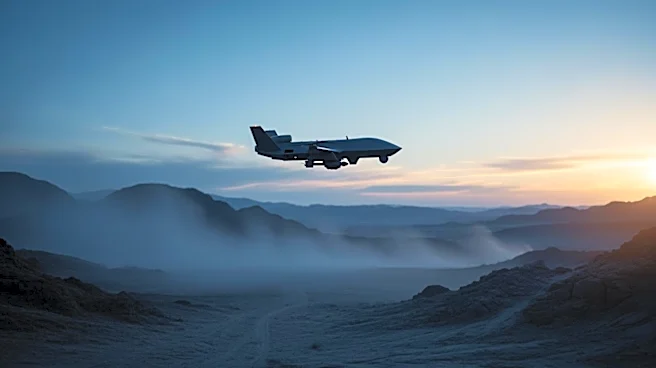
forces, aircraft, and intelligence assets. The navigator, who had made contact with U.S. forces shortly after ejecting from the aircraft, was injured, complicating the rescue efforts. The operation included the use of MQ-9 Reaper drones to strike Iranian forces approaching the navigator's location. The CIA conducted a deception campaign to mislead Iranian forces, suggesting that the navigator had already been located and was being moved out of the country. Israel reportedly provided intelligence support, aiding U.S. forces in countering Iranian air activity during the mission.
Why It's Important?
This operation underscores the U.S. military's capability to conduct complex rescue missions in hostile territories, highlighting the strategic use of intelligence and special operations forces. The successful extraction of the navigator not only demonstrates the effectiveness of U.S. military coordination but also the importance of international cooperation, as evidenced by Israel's involvement. The mission's success may bolster U.S. military morale and reinforce the country's commitment to recovering personnel in perilous situations. However, it also risks escalating tensions with Iran, as the operation involved direct military engagement within Iranian territory.
What's Next?
The successful rescue may lead to increased scrutiny of U.S. military operations in the region, potentially prompting diplomatic discussions between the U.S. and Iran. The operation's complexity and the involvement of international partners like Israel could influence future military strategies and alliances. Additionally, the U.S. may review and enhance its protocols for personnel recovery in hostile environments, ensuring readiness for similar situations in the future.
Beyond the Headlines
The operation raises questions about the ethical implications of conducting military operations in sovereign nations without explicit consent. It also highlights the potential for international incidents arising from such missions, which could impact diplomatic relations. The use of deception tactics by the CIA and the destruction of U.S. aircraft to prevent capture may prompt discussions on the legal and moral boundaries of military engagements.