



What's Happening?
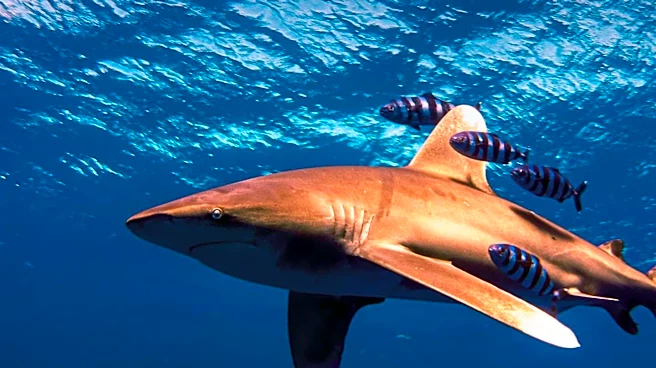
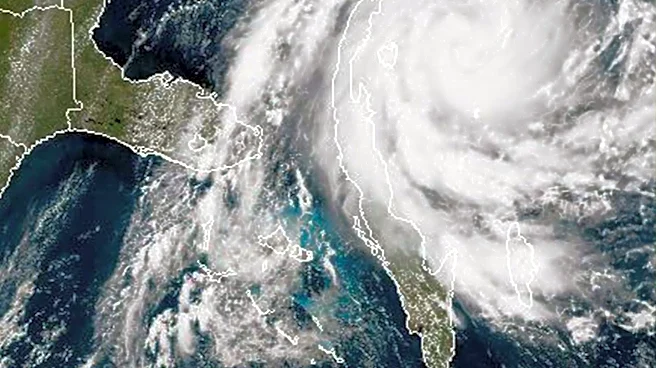
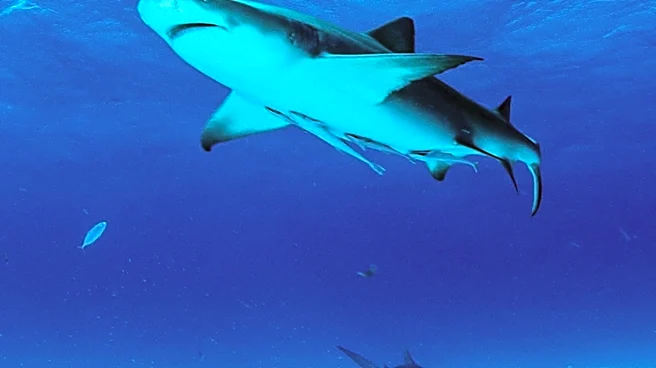
Researchers from the University of Delaware are exploring the use of sharks as mobile data collectors to improve hurricane predictions. By attaching CTD tags to sharks, which measure ocean conductivity, temperature, and depth, scientists aim to gather
real-time ocean data that can enhance atmospheric and climate models. This innovative approach leverages the natural movements of sharks, such as shortfin mako and blue sharks, to collect valuable information about ocean conditions that influence hurricane intensity.
Why It's Important?
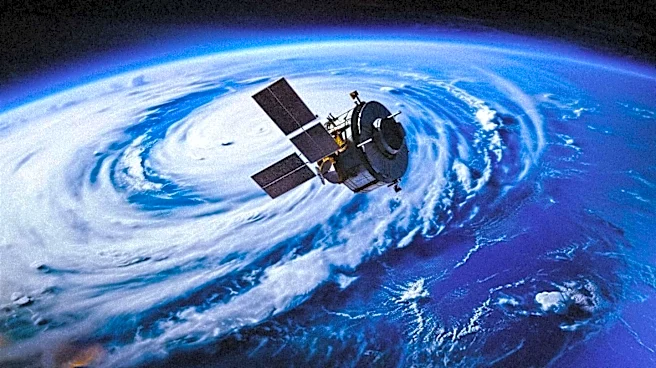
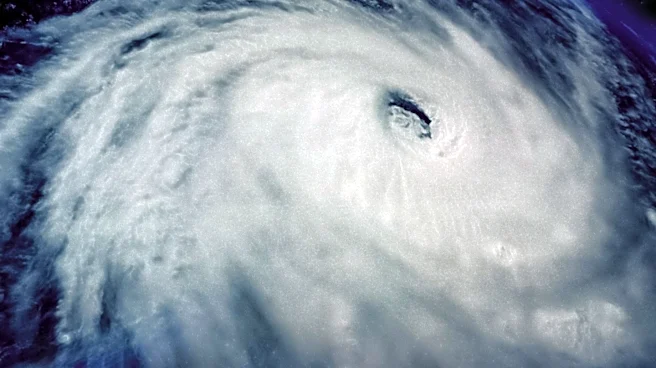
This research could significantly improve the accuracy of hurricane forecasts, providing communities along the U.S. East Coast with better information to prepare for storms. By understanding the heat content of the ocean's mixed layer, which fuels hurricanes, scientists can predict storm strength more reliably. This advancement in predictive capability is crucial for enhancing coastal resilience and minimizing the impact of hurricanes on vulnerable populations and infrastructure.
What's Next?
The project will continue with the tagging of sharks during their migratory periods, allowing researchers to collect and analyze data over time. If successful, this method could be expanded to include other marine species and regions, further improving global hurricane prediction models. The ongoing research will also focus on refining the technology and methods used to ensure minimal impact on the sharks and maximize data accuracy.
Beyond the Headlines
This initiative highlights the potential of using animal-borne sensors in scientific research, offering a sustainable and innovative way to gather environmental data. It challenges traditional perceptions of sharks, showcasing their role as valuable contributors to scientific understanding rather than just fearsome predators. The project also underscores the importance of interdisciplinary collaboration in addressing complex environmental challenges.