
What's Happening?
The United States, in collaboration with Israel, is preparing to resume full-scale military operations against Iran. This decision follows the breakdown of peace talks and increasing tensions in the Middle
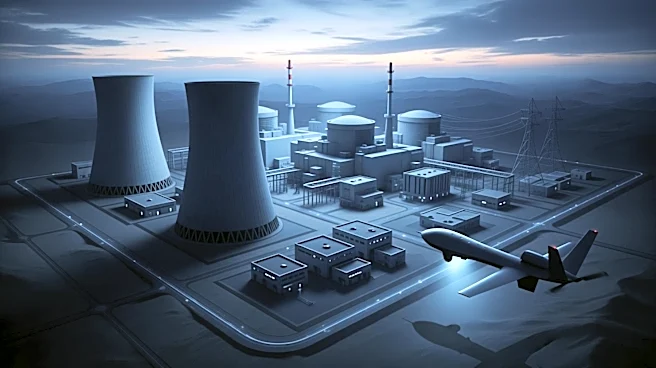
East. Retired General Jack Keane has indicated that the U.S. and Israel are ready to target remaining Iranian military capabilities, including missile and nuclear facilities. The joint operations are expected to be comprehensive, aiming to dismantle Iran's military infrastructure and economic resources. The U.S. has maintained a naval blockade around the Gulf of Oman, impacting Iran's economy.
Why It's Important?
The resumption of military operations against Iran could have significant geopolitical and economic repercussions. The conflict threatens to destabilize the Middle East further, potentially disrupting global oil supplies and affecting international markets. The U.S. and Israel's actions are likely to influence diplomatic relations with other countries in the region, including allies and adversaries. The situation underscores the challenges of achieving lasting peace in the Middle East and the complexities of international diplomacy in addressing nuclear proliferation and regional security threats.
What's Next?
As military preparations continue, diplomatic efforts are expected to persist in parallel, with the U.S. and its allies seeking to negotiate a resolution that addresses nuclear concerns. The international community will be watching closely for any developments that could lead to a de-escalation of tensions. The potential for military conflict remains high, with both sides preparing for possible escalation. The outcome of these efforts will have significant implications for regional stability and global security.