




What's Happening?
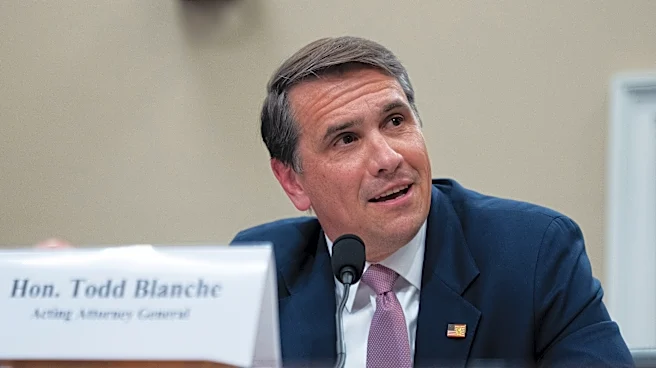
The Justice Department has formally requested that federal judges dismiss lawsuits challenging the $1.7 billion 'anti-weaponization fund,' as the program is not proceeding. Acting Attorney General Todd Blanche confirmed that the fund, initially part of
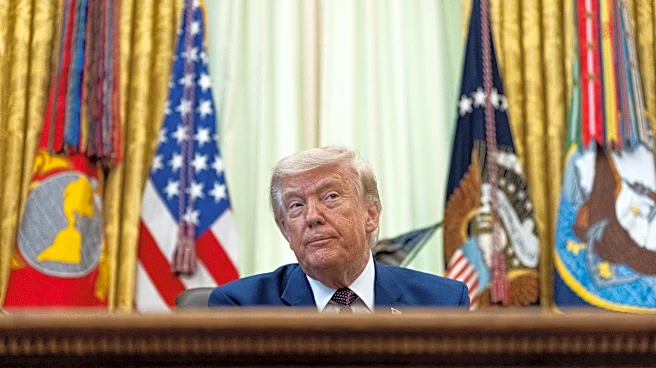
a settlement related to President Trump's lawsuit against the IRS, will not continue. The fund was intended to compensate victims of 'lawfare and weaponization.' Despite President Trump's defense of the program, the Justice Department's filings in Virginia and Washington, D.C., argue that the lawsuits are moot since the fund is not moving forward. The filings also assert that the plaintiffs lack the legal standing to sue, as there is no longer a live issue. This development marks the first written indication from the Trump administration that the fund will not proceed.
Why It's Important?
The decision to halt the anti-weaponization fund has significant implications for U.S. politics and public policy. The fund's cessation may alleviate concerns among lawmakers who opposed it, fearing it could benefit individuals involved in the January 6 Capitol attack. The move also reflects the complexities of political negotiations, as the fund was part of a broader legislative package. The Justice Department's stance may influence future legal challenges related to government settlements and the use of public funds. Additionally, the halt may impact President Trump's political capital, as he had publicly supported the fund.
What's Next?
The court's response to the Justice Department's request to dismiss the lawsuits will be a critical next step. If the court agrees, it could set a precedent for how similar cases are handled in the future. Meanwhile, political reactions from both supporters and opponents of the fund are likely, potentially influencing upcoming legislative sessions. The decision may also affect ongoing debates about government accountability and the use of taxpayer money in settlements.