



What's Happening?
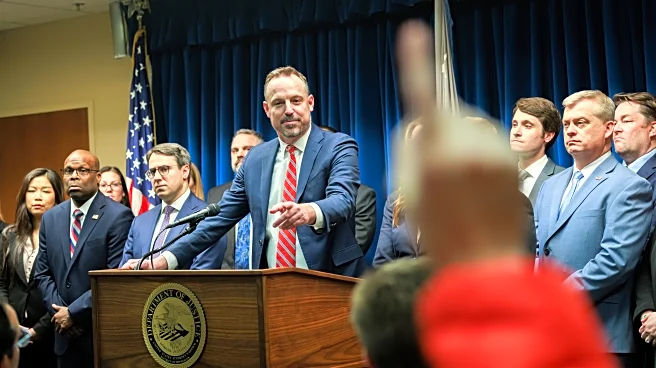
Former CNN host Don Lemon, now an independent journalist, is contesting a Department of Justice (DOJ) motion to delay proceedings in a federal civil rights case against him. The case involves charges of conspiracy and interference with First Amendment
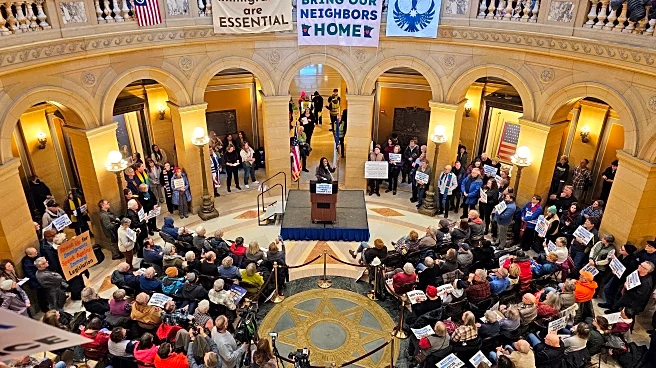
rights following an anti-ICE protest at a Minnesota church. Lemon and fellow journalist Georgia Fort, who have both pleaded not guilty, argue that the DOJ's request to classify the case as 'complex' and extend discovery by three months is unwarranted. They claim this delay infringes on their right to a speedy trial. The protest, which disrupted a church service, was in response to an ICE official serving as a pastor there. Lemon maintains he was present to document the protest, not participate, and has labeled the charges as baseless.
Why It's Important?
This case has significant implications for press freedom and the rights of journalists covering protests. Critics argue that the charges against Lemon and Fort could have a chilling effect on media coverage of government actions, particularly under President Trump's administration, which has been critical of media narratives. The case also highlights tensions surrounding immigration enforcement policies, especially in Minnesota, where recent ICE-related incidents have heightened public scrutiny. The outcome could set a precedent for how journalists are treated in similar situations, potentially impacting their ability to report on contentious issues without fear of legal repercussions.
What's Next?
Lemon and Fort's legal team is pushing for a swift resolution, suggesting that the case is not complex and that the evidence is typical for the district. They propose a 21-day extension for discovery, opposing the DOJ's longer request. The court's decision on the motion to delay will determine the timeline for the case. Meanwhile, the DOJ's stance reflects a broader governmental approach to handling protests and media coverage, which may influence future legal strategies and public discourse on First Amendment rights.