



What's Happening?
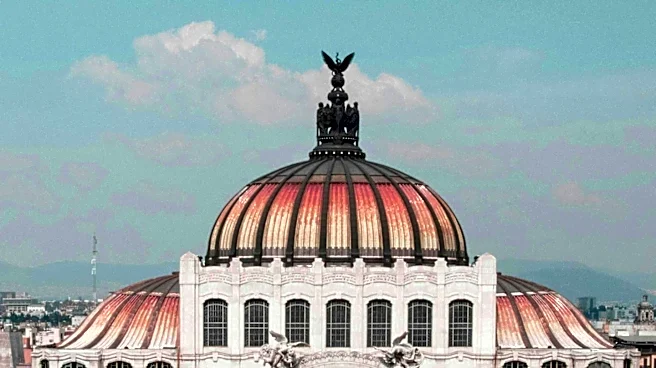
Mexico is actively evolving its cultural diplomacy by embracing digital technologies to preserve, create, circulate, and interpret its rich cultural heritage. This shift moves beyond traditional physical presence to foster deeper relationships and broader
accessibility. Key initiatives include the Digital Cultural Agenda, which utilizes ICT to enhance cultural institutions' efforts. Examples of this include 'Mexicana,' a digital repository of Mexico's cultural heritage; the Image Center, compiling contemporary photography; and the National Institute of Anthropology and History's (INAH) Mediateca and Digital Research Repository. The federal platform 'Contigo en la distancia' gained prominence during the pandemic, offering free access to diverse cultural content. The Centro de Cultura Digital (CCD) focuses on digital culture as a field of artistic creation and technological experimentation. Additionally, the 'Paisaje lingüístico de México' platform showcases the country's linguistic diversity through interactive maps, audio, and multimedia. Mexico's Ministry of Culture has also partnered with the Wikimedia Foundation to expand access to cultural information. This digital transformation aims to democratize access to culture, support preservation, enable artists to speak in their own voices, and connect Mexican creators with international audiences.
Why It's Important?
Mexico's strategic embrace of digital cultural diplomacy holds significant importance for its international relations and the global cultural landscape. By digitizing its vast heritage, Mexico is not only preserving its past but also making it accessible to a worldwide audience, thereby strengthening its soft power and promoting a more nuanced understanding of its diverse identity. This approach democratizes access to cultural assets, benefiting students, researchers, and diaspora communities who may not be able to travel. It also allows for a more decentralized representation of Mexican culture, moving beyond a single national narrative to highlight the voices of various communities, including Indigenous peoples. The focus on co-creation and ethical governance in digital projects sets a precedent for how countries can engage in cultural exchange responsibly, addressing issues of copyright, traditional knowledge, and data sovereignty. This model can inspire other nations to leverage technology for cultural preservation and diplomacy, fostering greater international collaboration and mutual understanding in an increasingly digital world.
What's Next?
Mexico's future in digital cultural diplomacy will focus on several strategic areas. The country aims to treat digital culture as a public infrastructure, requiring stable funding, interoperable standards, preservation plans, and cybersecurity. There will be a continued shift from merely exporting cultural content to fostering co-creation with host country institutions, leading to shared costs and stakeholder participation. Ethical governance will be integrated into every cultural project, with clear protocols for copyright, traditional knowledge, consent, and AI use. Evaluation will move beyond simple metrics to assess the depth of participation, knowledge gained, partnerships created, and long-term relationships. Investment in people, including diplomats, curators, and technologists, will be crucial, combining digital skills with cultural expertise and ethics. Addressing the digital divide, ensuring rights and consent, and navigating the complexities of artificial intelligence will remain ongoing challenges. The goal is to ensure that technological scale does not flatten cultural complexity, that access respects rights, and that visibility benefits creators and communities, ultimately fostering trust and mutual learning.
Beyond the Headlines
Mexico's digital cultural diplomacy initiative delves into profound implications for global cultural exchange and national identity in the digital age. The effort to decentralize cultural representation and amplify marginalized voices through digital platforms challenges traditional notions of national branding, moving towards a more inclusive and authentic portrayal of a country's heritage. This approach also raises critical questions about digital equity and access, as the benefits of digitization can only be fully realized if the digital divide is bridged. The ethical considerations surrounding AI, copyright, and traditional knowledge in the digital realm highlight the need for robust frameworks that protect cultural integrity and intellectual property in an era of rapid technological advancement. Furthermore, by emphasizing co-creation and relationship-building over mere content export, Mexico is pioneering a model of cultural diplomacy that prioritizes genuine dialogue and collaboration, potentially reshaping how nations engage with each other culturally on a global scale. This initiative underscores the evolving role of culture as a dynamic, interactive force in international relations, rather than a static artifact to be displayed.