



What's Happening?
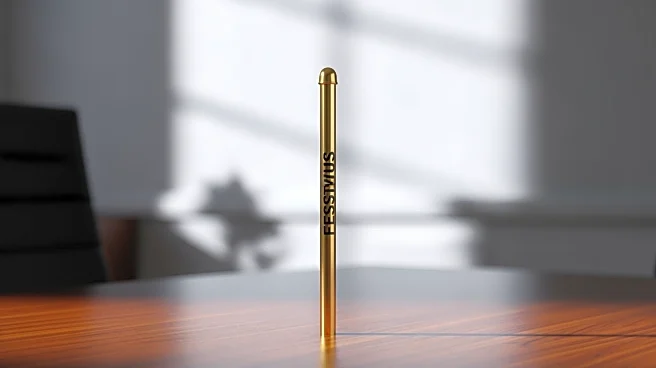
Senator Rand Paul, a Republican from Kentucky, used the secular holiday Festivus to criticize President Trump's foreign policy, particularly regarding Venezuela. In a series of social media posts, Paul aired grievances about what he perceives as wasteful
government spending and criticized the Trump administration's actions in Venezuela, including the blockade of oil tankers. Paul, known for his libertarian views, has often diverged from Trump on foreign policy issues. His posts included references to past military interventions and questioned the authority of the president to engage in such actions without congressional approval.
Why It's Important?
Paul's criticism highlights ongoing tensions within the Republican Party regarding foreign policy, especially concerning interventionist strategies. His comments reflect a broader debate about the role of the U.S. in international conflicts and the balance of power between the executive branch and Congress. This internal party dissent could influence future policy decisions and legislative actions, particularly as they relate to military engagements and foreign relations. It also underscores the importance of congressional oversight in matters of national security and foreign policy.
What's Next?
The situation with Venezuela remains tense, with potential implications for U.S. foreign policy and international relations. As Paul continues to voice his opposition, it may lead to further discussions within Congress about the need for legislative approval for military actions. This could result in new resolutions or legislative measures aimed at curbing executive power in foreign interventions. The ongoing debate may also impact the Republican Party's stance on foreign policy in upcoming elections.