


What's Happening?
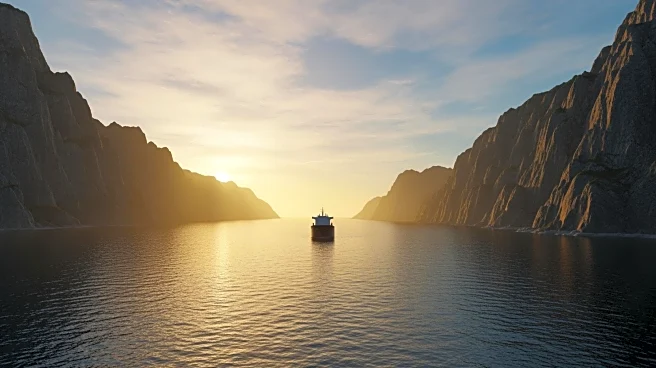
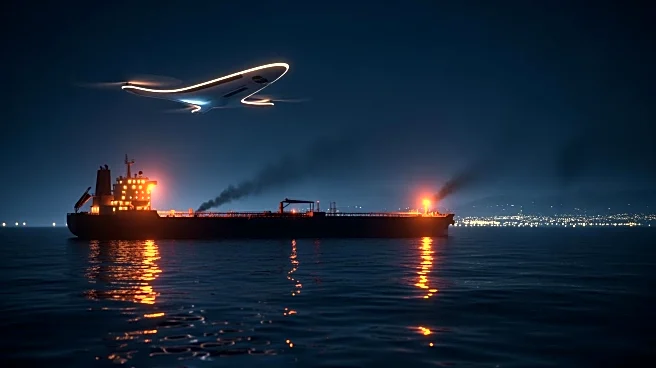
The United Arab Emirates (UAE) is reportedly lobbying for a military effort to reopen the Strait of Hormuz, a critical chokepoint for global oil shipments currently closed due to the ongoing conflict involving Iran. If the UAE joins the military effort,
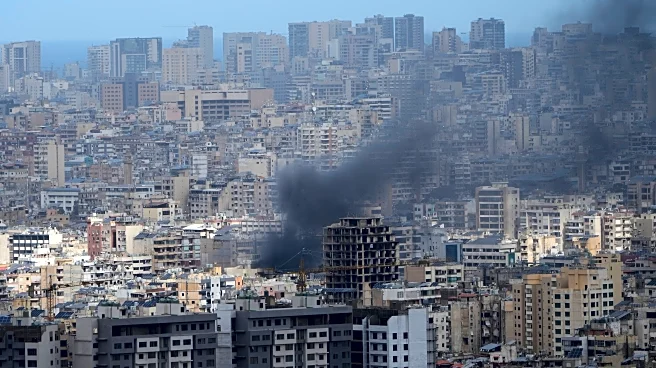
it would be the first Gulf Arab state to participate in the war against Iran. Abu Dhabi is advocating for a United Nations Security Council resolution to authorize the use of force to ensure the strait's reopening. The closure of the Strait of Hormuz has significantly impacted global oil markets, leading to increased prices and economic uncertainty.
Why It's Important?
The Strait of Hormuz is a vital artery for the global oil supply, and its closure has far-reaching economic implications. The UAE's push for military action underscores the urgency of the situation and the potential for further escalation in the region. A military effort to reopen the strait could lead to increased tensions and conflict, involving more countries in the Middle East. The situation highlights the strategic importance of the strait and the geopolitical complexities surrounding its control. The outcome of this lobbying effort could have significant implications for international relations and global energy markets.
What's Next?
The international community will be closely monitoring the UAE's efforts and any potential military actions to reopen the Strait of Hormuz. The United Nations Security Council may play a crucial role in determining the course of action, with potential debates and resolutions on the horizon. The situation could also prompt diplomatic efforts to find a peaceful resolution and prevent further escalation. The global oil market will continue to react to developments, with potential impacts on prices and supply chains depending on the outcome of the UAE's lobbying efforts.