



What's Happening?
Utah has been allocated $25 million in federal funds to help families struggling with rising utility bills. This funding comes as part of a broader initiative by the Office of Community Services, which has allocated approximately $3.7 billion for energy
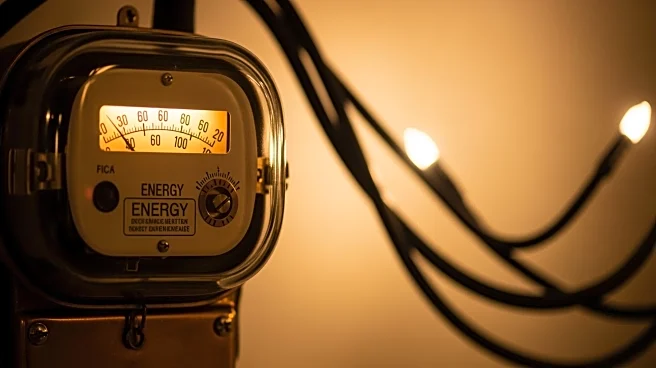
assistance programs across the United States for the 2026 fiscal year. The National Energy Assistance Directors Association reports that U.S. households are expected to spend an average of $995 on heating this winter, marking an $84 increase from the previous year. The rise in utility costs is attributed to higher electricity and natural gas prices, compounded by increased demand during cold weather. Low-income families are particularly affected, spending about 10% of their income on utilities compared to 2.5% to 3% for higher-income families. The funds are primarily used for heating, with about 20% allocated for cooling in warmer states.
Why It's Important?
The allocation of $25 million to Utah is crucial in mitigating the financial burden on low-income families who are disproportionately affected by rising utility costs. As utility expenses increase, these families face greater challenges in managing their monthly budgets, potentially leading to difficult choices between essential needs. The federal assistance aims to alleviate some of these pressures, ensuring that vulnerable populations can maintain access to necessary heating and cooling services. This initiative highlights the ongoing economic disparities in the U.S., where inflation and rising costs impact lower-income households more severely. By providing targeted support, the program seeks to address these inequities and prevent further financial strain on affected families.
What's Next?
Families in need of assistance can access the Low Income Home Energy Assistance Program clearinghouse to determine their eligibility for support. As utility costs continue to rise, it is likely that demand for assistance will increase, potentially prompting further federal or state-level interventions. Stakeholders, including policymakers and advocacy groups, may push for additional funding or policy changes to address the root causes of rising utility costs and improve energy efficiency. Monitoring the effectiveness of the current funding allocation will be essential in determining future actions and ensuring that assistance reaches those most in need.