

What's Happening?
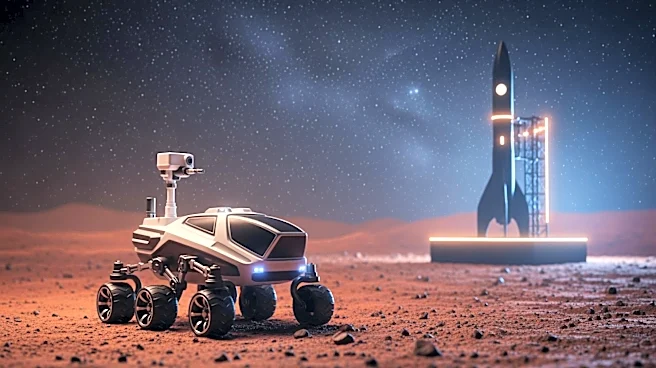
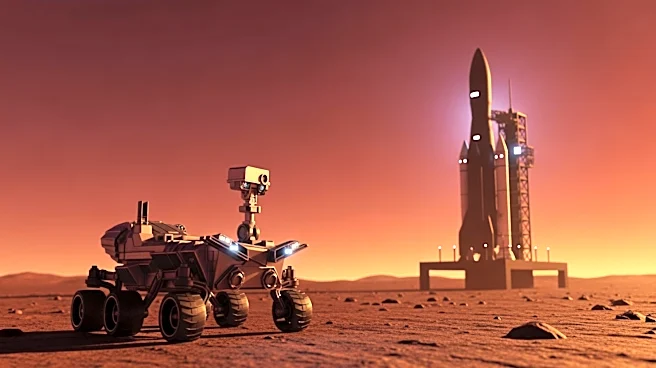
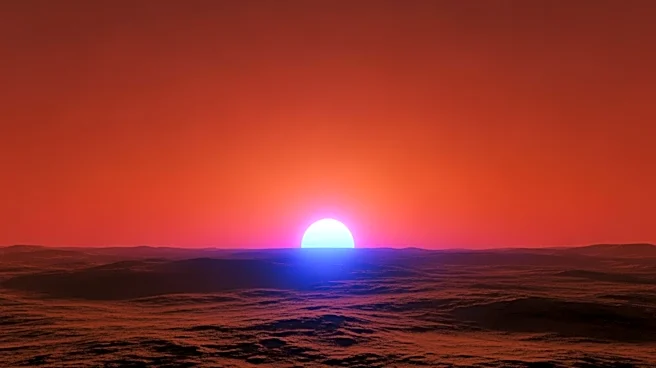
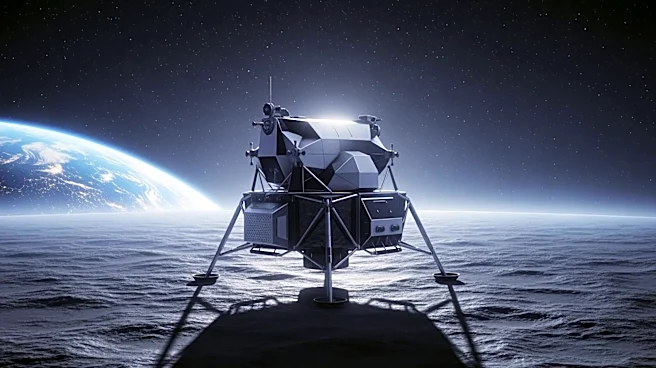
A viral image claiming to show a blue sunset on Mars has been debunked as fake. The image, which circulated widely on social media platforms like Facebook, Instagram, and Reddit, was initially shared by a Facebook page called Echoes of Unbound Curiosity.
It purported to be the first photo of a sunset on another world. However, NASA confirmed that the image did not originate from their collection of authentic Mars photos. The image contained a digital watermark from Google's AI tools, indicating it was artificially generated. NASA's spokesperson stated that while space enthusiasts often alter raw imagery from NASA spacecraft for fan-made works, this particular image was not an authentic representation of a Martian sunset. Authentic images from NASA's rovers, Perseverance and Curiosity, show that Martian sunsets appear blue due to the way dust in the atmosphere scatters light.
Why It's Important?
The spread of fake images like the blue sunset on Mars highlights the challenges of misinformation in the digital age. Such misinformation can mislead the public and undermine trust in scientific institutions like NASA. It underscores the importance of verifying the authenticity of information, especially when it comes to scientific data and imagery. The incident also illustrates the role of social media in rapidly disseminating false information, which can reach thousands of people before being corrected. This can have broader implications for public understanding of space exploration and science, potentially affecting public support and funding for such initiatives.
What's Next?
NASA and other scientific organizations may need to enhance their efforts in public education and outreach to combat misinformation. This could involve more proactive communication strategies to quickly address and correct false claims. Additionally, social media platforms might consider implementing more robust verification processes for scientific content to prevent the spread of misinformation. As technology advances, the creation of realistic but fake images is likely to increase, necessitating improved digital literacy among the public to discern credible sources from unreliable ones.