



What's Happening?
Mount Olympus in Greece has been designated a UNESCO World Heritage Site, marking a significant recognition for the country's highest mountain, which is also a UNESCO Biosphere Reserve and home to Greece's first national park. This honor comes after a 12-year
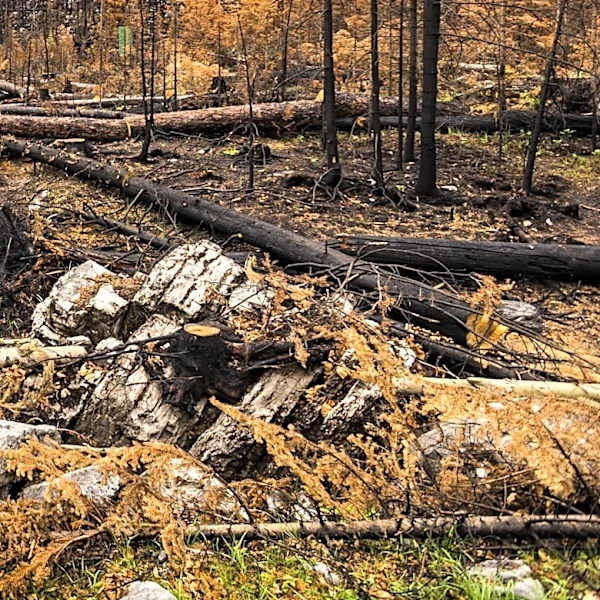
wait and highlights the mountain's cultural and natural significance, being the mythical home of the 12 Olympian deities. Meanwhile, the western United States is experiencing an intense heatwave, with a strong heat dome expected to bring record temperatures from California to Canada. This extreme weather has also led to the formation of a 'firenado' in Utah, a rare phenomenon where a swirling tower of smoke forms during intense fires.
Why It's Important?
The designation of Mount Olympus as a UNESCO World Heritage Site underscores the global recognition of cultural and natural landmarks, potentially boosting tourism and conservation efforts in Greece. This could have economic benefits for the region, attracting visitors interested in both its mythological significance and natural beauty. In the U.S., the ongoing heatwave poses significant challenges, highlighting the increasing frequency and intensity of extreme weather events linked to climate change. This situation stresses the need for enhanced preparedness and adaptation strategies to mitigate the impacts on communities, infrastructure, and ecosystems.
What's Next?
As Mount Olympus gains international attention, Greece may see an increase in tourism, prompting potential investments in infrastructure and conservation projects to accommodate and protect the influx of visitors. In the U.S., authorities are likely to continue monitoring the heatwave and its effects, with possible advisories and emergency measures to protect public health and safety. The situation may also prompt further discussions on climate policy and the need for sustainable practices to address the root causes of such extreme weather patterns.