


What's Happening?
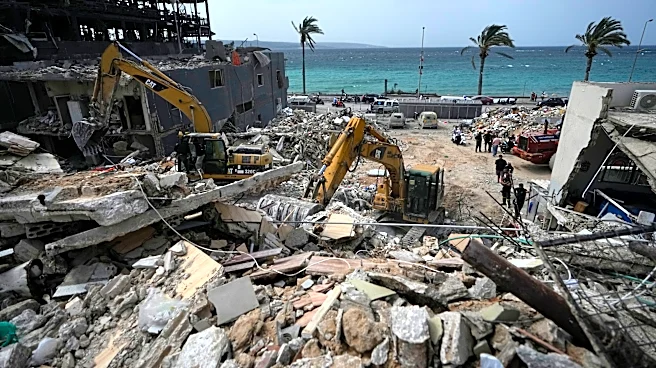
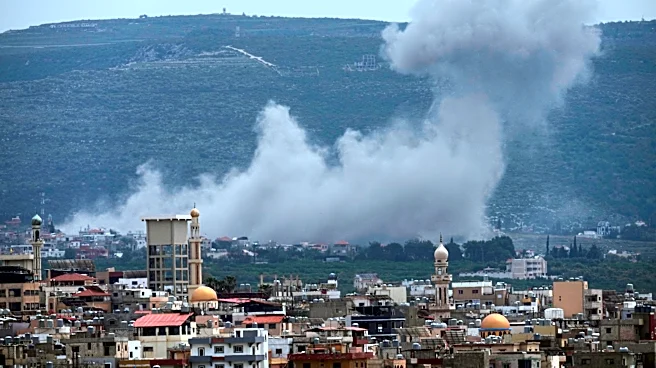
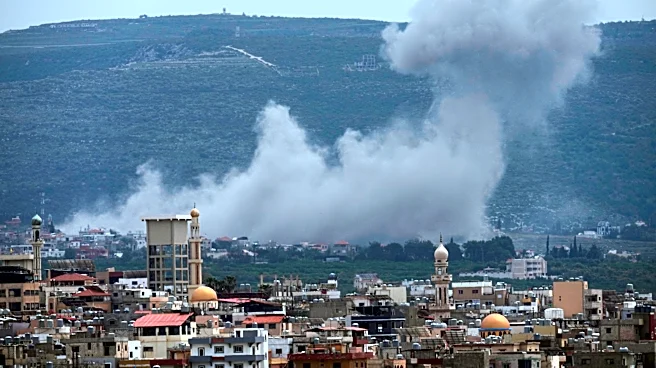
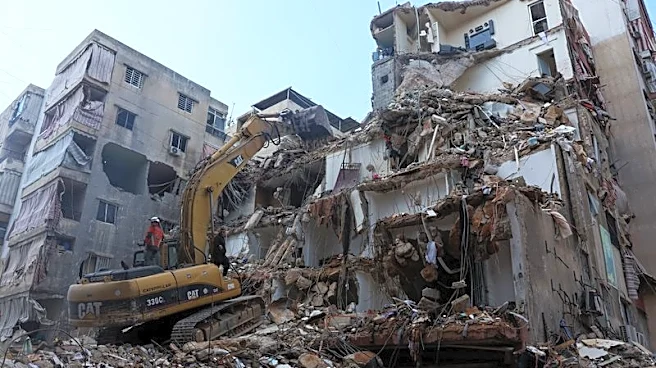
Israel is setting specific conditions for a ceasefire agreement with Lebanon, focusing on security and military strategy. The ceasefire, announced by President Trump, aims to halt hostilities temporarily, but Israel insists on maintaining military freedom
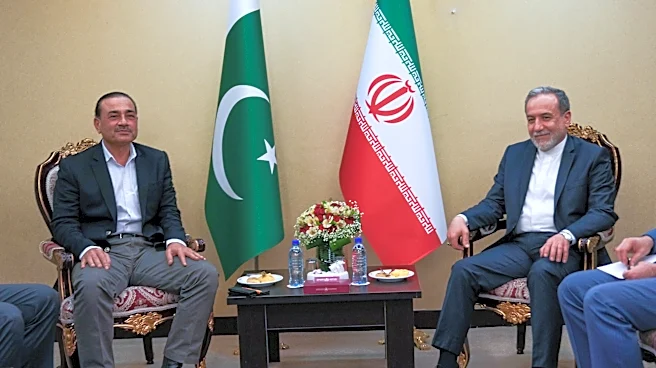
of action and creating a buffer zone in southern Lebanon. The Israeli Defense Forces (IDF) have outlined three key conditions: establishing a Hezbollah-free buffer zone up to the Litani River, preserving military freedom to address threats, and initiating a long-term disarmament process under U.S. supervision. These conditions reflect Israel's strategic priorities in ensuring security and preventing Hezbollah's military buildup. The ceasefire negotiations are influenced by past experiences and the need to address ongoing threats from Hezbollah and Iran.
Why It's Important?
Israel's demands in the ceasefire negotiations highlight the complexities of achieving lasting peace in the region. The focus on security and military strategy underscores the challenges in addressing threats from Hezbollah and Iran. The conditions set by Israel aim to prevent Hezbollah's military buildup and ensure long-term security for residents near the border. The negotiations reflect broader geopolitical dynamics, with implications for regional stability and international relations. The ceasefire's success or failure could influence future diplomatic efforts and security policies, impacting stakeholders such as political leaders, military strategists, and international organizations. The situation underscores the importance of strategic planning and military readiness in achieving peace.
Beyond the Headlines
The ceasefire negotiations reveal deeper implications for regional security and military strategy. Israel's focus on maintaining military freedom of action and creating a buffer zone reflects the need to address ongoing threats from Hezbollah and Iran. The negotiations highlight the importance of strategic planning and military readiness in achieving peace, with potential impacts on regional stability and international relations. The situation underscores the complexities of achieving lasting peace in the Middle East, with implications for security policies and diplomatic efforts. The ceasefire's success or failure could influence future negotiations and security strategies, impacting stakeholders such as political leaders, military strategists, and international organizations.