





What's Happening?
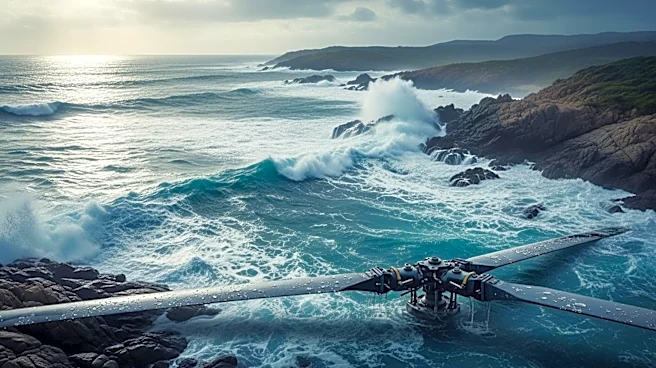
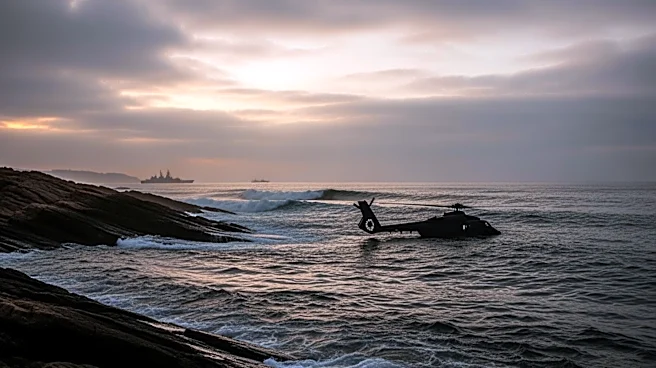
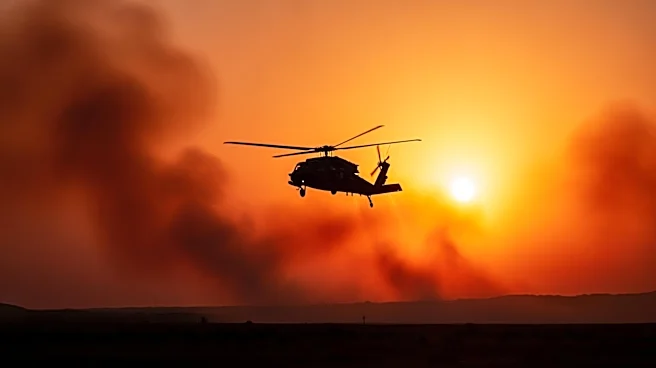
President Trump has accused Iran of being responsible for the downing of a U.S. Army Apache helicopter near the Strait of Hormuz. The incident occurred as tensions remain high in the region due to ongoing conflicts involving Iran, Israel, and the United
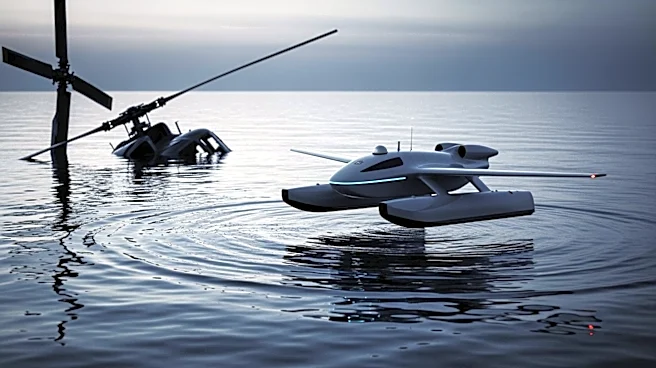
States. The helicopter crash resulted in the rescue of two Army aviators by a drone boat, marking the first known drone rescue at sea by the U.S. military. The crash is under investigation, and no official cause has been determined yet. The incident comes amid a fragile ceasefire between the U.S. and Iran, with ongoing negotiations for a potential deal. President Trump expressed optimism about reaching an agreement with Iran, despite the recent escalation.
Why It's Important?
The helicopter crash and subsequent blame on Iran highlight the ongoing volatility in the Middle East, which has significant implications for global security and economic stability. The Strait of Hormuz is a critical chokepoint for global oil shipments, and any conflict in the area can disrupt energy supplies and increase prices worldwide. The incident underscores the fragile nature of the ceasefire and the challenges in reaching a lasting peace agreement. The U.S. military's use of drone technology for rescue operations also reflects advancements in military capabilities and strategic responses in conflict zones.
What's Next?
The U.S. is likely to continue its diplomatic efforts to secure a deal with Iran, while also preparing for potential military responses if tensions escalate further. The international community, particularly countries reliant on Middle Eastern oil, will be closely monitoring the situation. Any further military actions or breakdowns in negotiations could lead to increased instability in the region. The U.S. and its allies may also explore additional sanctions or diplomatic measures to pressure Iran into compliance with international agreements.