




What's Happening?
The fiscal year 2026 has seen significant challenges in federal funding for U.S. public administration, marked by a reliance on continuing resolutions and delayed appropriations. This has led to disruptions in agency operations, including staffing constraints
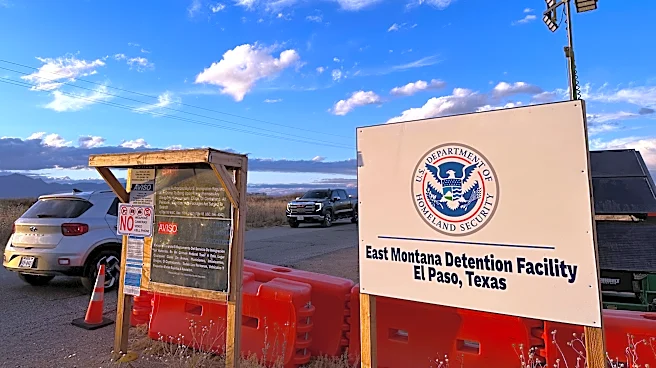
and service delivery issues. Agencies like the National Science Foundation faced substantial budget cuts, affecting their ability to maintain long-term research partnerships. The Department of Homeland Security experienced a partial shutdown, impacting border operations and technology upgrades. Despite some stable funding for programs like the Community Development Block Grant, the overall uncertainty has forced agencies to adopt reactive staffing and operational strategies.
Why It's Important?
The funding challenges highlight the critical impact of budgetary stability on the effectiveness of public administration. Inconsistent funding undermines the ability of federal agencies to plan and execute their missions, affecting everything from scientific research to national security. The situation underscores the need for reform in the budgeting process to ensure more predictable and adequate funding. The broader implications include potential delays in public services and a weakened capacity to respond to national challenges, ultimately affecting public trust in government institutions.
What's Next?
Moving forward, there is a need for legislative and administrative reforms to address the root causes of funding instability. This could involve changes to the appropriations process to ensure timely and adequate funding for federal agencies. Stakeholders, including oversight bodies like the Government Accountability Office, may advocate for reforms to enhance the capacity and resilience of public administration. The ongoing challenges may also prompt discussions on civil service reform to better align workforce capabilities with agency missions.