




What's Happening?
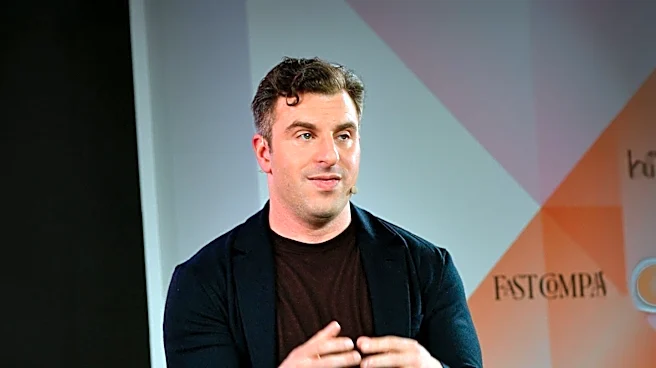
Mayor Daniel Lurie of San Francisco has announced a significant philanthropic commitment of $100 million from Airbnb co-founder and CEO Brian Chesky towards the city's parks. This donation marks the largest single-donor gift ever received by San Francisco.
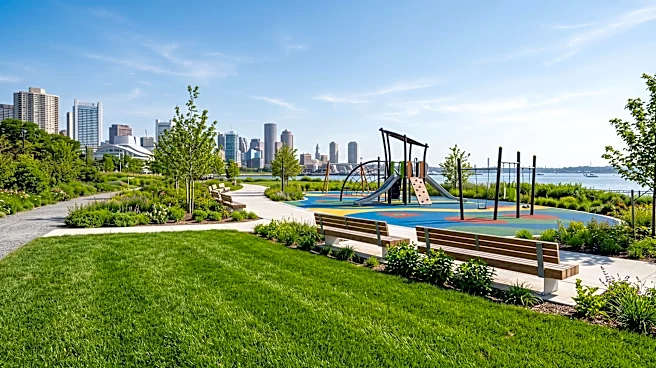
The funding is designated to accelerate construction timelines, deliver upgrades, and enhance programming across various parks in the city, including those in South of Market (SoMa), the Mission, and Bayview-Hunters Point. An initial $39 million will be allocated to five specific projects, with the remaining $61 million to support additional projects identified over the next year by the Recreation and Park Department (RPD). These resources will cover both capital costs and five years of maintenance and programming, allowing the city time to secure ongoing funding streams. The projects include opening Rachele Sullivan Park three years ahead of schedule, expanding pool hours and resurfacing playgrounds at Garfield Square Park, closing a construction gap at India Basin Waterfront Park, fully renovating Jackson Playground, and creating a unified five-acre waterfront park by joining the former Embarcadero Plaza and Sue Bierman Park.
Why It's Important?
This substantial donation is crucial for San Francisco as it directly addresses the need for improved public spaces and recreational opportunities across diverse neighborhoods. The accelerated timelines for park projects mean that communities will gain access to enhanced facilities much sooner, fostering greater community engagement and well-being. For instance, the early opening of Rachele Sullivan Park in SoMa will provide much-needed open space in a park-deprived area. The investment in areas like Bayview-Hunters Point and the Mission aims to ensure equitable access to quality parks, regardless of residents' socioeconomic status or neighborhood. This initiative also highlights the potential for private philanthropy to significantly impact urban development and public services, setting a precedent for other cities facing similar infrastructure needs. The commitment to five years of maintenance and programming ensures the sustainability of these improvements, providing lasting benefits to San Francisco residents.
What's Next?
The funding is subject to approval by the Board of Supervisors and a recommendation from the Recreation and Park Commission. Once approved, the initial $39 million will be immediately dedicated to the first five identified projects. Over the next year, the Recreation and Park Department will identify additional projects to be supported by the remaining $61 million. Construction on the initial projects is slated to begin at various times, with Rachele Sullivan Park expected to open in late 2028, Garfield Square Park improvements starting in mid-2027 and completing in 2028, India Basin Waterfront Park opening in 2028, Jackson Playground renovations beginning in late 2027 and opening in 2029, and the downtown waterfront park breaking ground in late 2026 and completing in 2028. The city will also focus on identifying ongoing funding streams to sustain the maintenance and programming beyond the initial five-year period covered by Chesky's gift.
Beyond the Headlines
This philanthropic gesture by Brian Chesky extends beyond immediate park improvements, signaling a broader commitment from tech industry leaders to invest in the civic infrastructure of their home cities. It underscores a growing trend where private wealth is leveraged to address public needs, potentially influencing other high-net-worth individuals and corporations to contribute to urban development. The emphasis on equitable access to parks across different neighborhoods also highlights a recognition of historical disparities in urban planning and resource allocation. This investment could serve as a model for public-private partnerships aimed at enhancing quality of life and fostering community resilience in major U.S. cities. Furthermore, the long-term commitment to maintenance and programming, rather than just capital expenditure, suggests a more holistic approach to philanthropy, ensuring that the benefits of the donation are sustained for future generations.