








What's Happening?
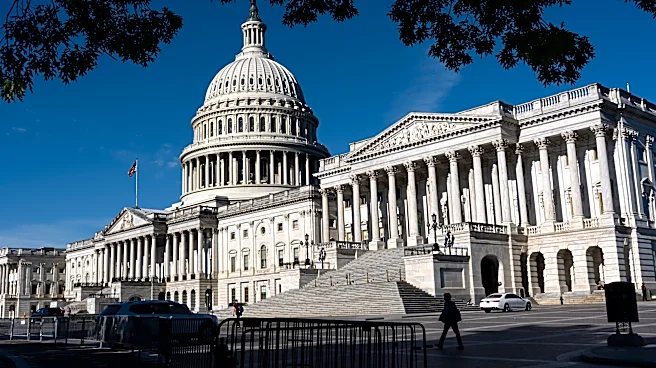
The U.S. House of Representatives has passed a bill to make Daylight Saving Time permanent, a move that could significantly impact states like Washington. The change would mean summer sunrises at 5:20 a.m. and sunsets at 9:10 p.m., while winter would see
sunrises at 8:55 a.m. and sunsets at 5:20 p.m. This decision has sparked debate, with some residents and business owners, like Amy Clipper of 70 & Sunny Coffee, expressing mixed feelings about the potential changes. Sleep experts, including Dr. Vishesh Kapur, argue that permanent standard time is healthier for the body, citing natural alignment with the sun's position.
Why It's Important?
The shift to permanent Daylight Saving Time could have widespread implications for daily life, particularly in northern states like Washington. Longer daylight hours in the evening could benefit businesses and outdoor activities, but the later winter sunrises may pose challenges for morning routines and safety, especially for school children. The debate highlights the balance between economic benefits and health considerations, as well as the historical context of previous attempts to implement permanent Daylight Saving Time during the 1970s energy crisis.
What's Next?
The bill now moves to the U.S. Senate, where it will be debated further. If passed, it could lead to significant adjustments in daily schedules and business operations. Stakeholders, including businesses, schools, and health experts, are likely to weigh in on the potential impacts. The outcome could set a precedent for how time is managed across the country, influencing future legislative decisions on timekeeping.