







What's Happening?
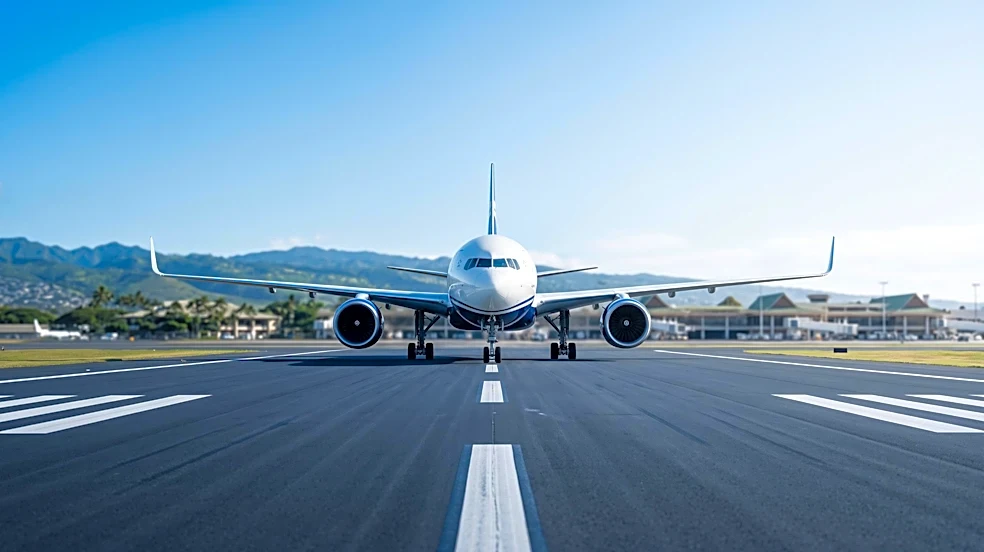
Hawaiian Airlines recently hosted its largest-ever disability practice flight in Honolulu, an initiative designed to help individuals with autism, sensory sensitivities, and other disabilities become more comfortable with air travel. Organized in partnership
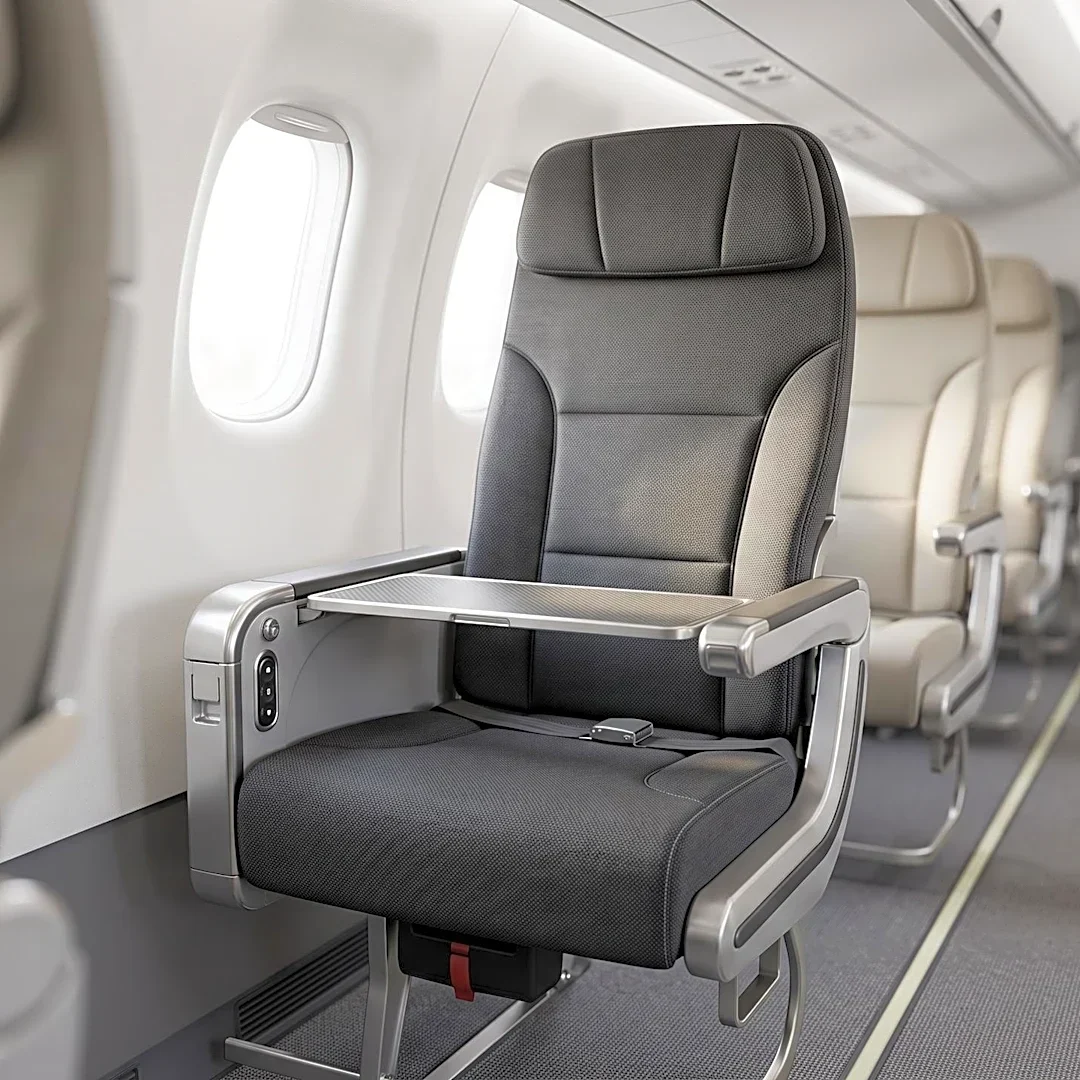
with Never Quit Dreaming, Hawaiʻi Autism Foundation, and Autism Society of Hawaii, the event provided participants with a supportive, lower-pressure environment to experience the various stages of air travel. Families engaged in activities such as checking in at the ticket counter, receiving boarding passes, passing through security, locating their departure gate, and boarding an Airbus A330 aircraft. The plane then taxied around the airport, simulating a real flight experience without actually taking off. This program aims to familiarize participants with the airport and boarding processes, addressing potential challenges like crowded terminals, unfamiliar procedures, and the sensory aspects of air travel. The goal is to build confidence and reduce anxiety for future journeys.
Why It's Important?
This initiative by Hawaiian Airlines is significant for several reasons. It directly addresses a critical barrier to travel for a segment of the population that often faces unique challenges in navigating public spaces, particularly airports. By providing a controlled and supportive environment, the program helps demystify the air travel process, which can be overwhelming due to sensory input, procedural complexities, and social interactions. For families, this means the potential to access travel opportunities that might otherwise be deemed too difficult or stressful. The success of such programs can lead to increased inclusivity in air travel, fostering a more understanding and accommodating environment across the industry. Furthermore, it highlights the importance of corporate social responsibility and community engagement, demonstrating how airlines can play a role in improving the quality of life for individuals with disabilities and their families. The positive experiences, like that of the Moriyama family, underscore the profound impact such initiatives can have on personal confidence and family bonding through shared travel experiences.
What's Next?
Following the success of this large-scale practice flight, Hawaiian Airlines and its partners will likely evaluate the feedback from participants and consider future iterations of the program. The positive outcomes, such as increased confidence among families to plan future trips, could encourage other airlines to adopt similar initiatives. There may be discussions about expanding the program's frequency or reach, potentially offering these practice flights in other locations or on different aircraft types. The collaboration with organizations like Never Quit Dreaming, Hawaiʻi Autism Foundation, and Autism Society of Hawaii is crucial for continued success, as these partnerships provide essential expertise and community outreach. The airline may also explore integrating lessons learned from these practice flights into its standard operating procedures and employee training to further enhance the travel experience for passengers with disabilities. The long-term goal is to make air travel more accessible and less daunting for everyone.
Beyond the Headlines
Beyond the immediate benefits of making air travel more accessible, this initiative touches upon broader societal implications regarding inclusivity and understanding. It challenges the conventional approach to public services by proactively addressing the specific needs of individuals with disabilities, rather than simply reacting to issues. The program fosters a culture of empathy and support, not only among airline staff but also within the wider community. By creating a safe space for practice, it helps destigmatize disabilities and promotes a more inclusive view of public participation. This effort could inspire other industries to re-evaluate their services and consider how they can better accommodate diverse populations. Ultimately, it contributes to a more equitable society where opportunities for travel and exploration are available to all, reinforcing the idea that with proper support and understanding, perceived limitations can be overcome, leading to richer life experiences for individuals and families.