




What's Happening?
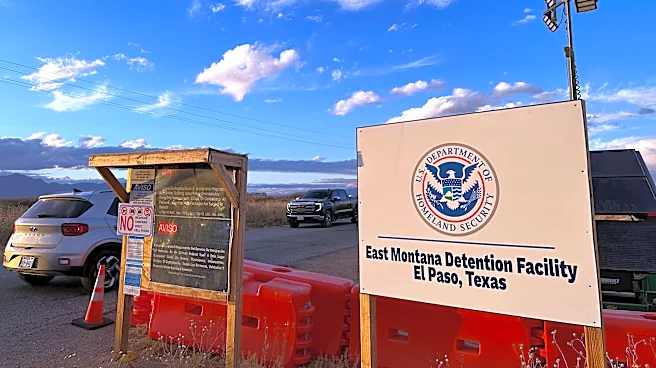
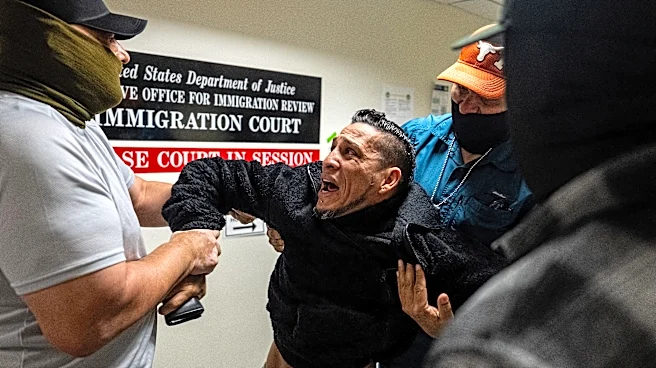
The Trump administration has intensified its immigration enforcement, leading to the detention of over 50 parents and spouses of active-duty US military personnel. This move marks a significant shift from previous policies that generally protected military families
from deportation. The Associated Press investigation revealed that at least six family members have been deported, and eight remain in federal custody. This policy change has caused emotional distress among service members, affecting their focus and readiness. The Department of Homeland Security (DHS) has stated that military service does not automatically grant lawful immigration status, and the Pentagon has declined to comment on the situation.
Why It's Important?
The detentions of military family members could undermine military preparedness by leaving service members without essential emotional and logistical support. This policy shift may also affect recruitment efforts, as the military has historically used immigration benefits as an incentive for enlistment. The crackdown has sparked public backlash and intervention from the homeland security secretary in some cases. The broader implications include potential impacts on military morale and operational effectiveness, as well as legal and ethical concerns about the treatment of military families.
What's Next?
The continuation of this policy could lead to further detentions and deportations, potentially prompting legal challenges and increased public scrutiny. Military and immigration advocacy groups may intensify their efforts to protect the rights of service members' families. The administration's stance may also influence future legislative actions aimed at balancing immigration enforcement with military family protections.