




What's Happening?
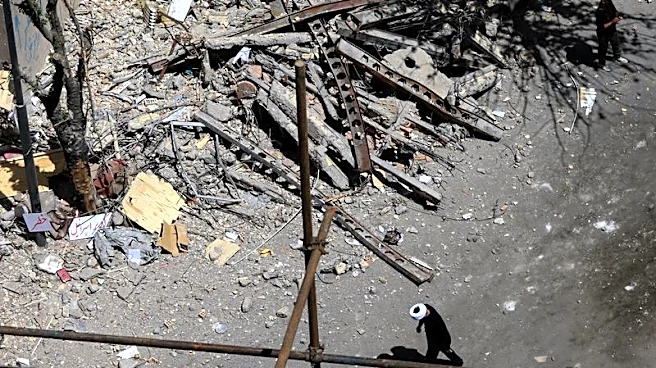
The International Monetary Fund (IMF) has issued a warning regarding the escalating financial stability risks posed by the ongoing conflict in the Middle East. According to the IMF's semiannual Global Financial Stability Report, the war has led to significant
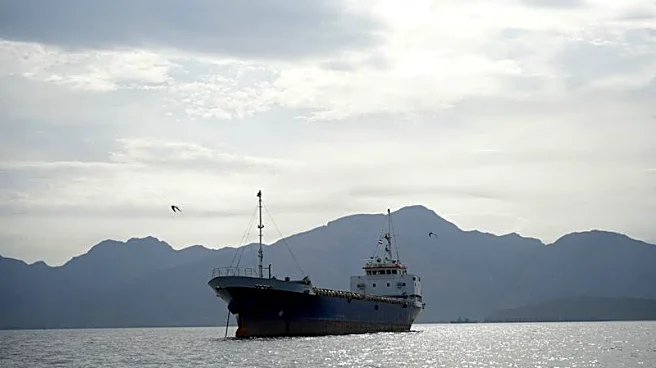
inflationary pressures, primarily due to a spike in energy prices following Iran's closure of the Strait of Hormuz. This has resulted in an 8% decline in global equity prices and a sharp rise in sovereign bond yields. The IMF highlights that the conflict could lead to tighter funding markets, potentially straining non-banks, private credit, and borrowers in the artificial intelligence sector. The report also notes that hedge fund exposure to interest rate derivatives and sovereign bonds has more than doubled since 2020, reaching over $18 trillion by 2025.
Why It's Important?
The IMF's warning underscores the potential for the Middle East conflict to disrupt global financial markets significantly. The rise in energy prices and inflation could lead to tighter financial conditions, affecting various sectors, including private credit and artificial intelligence, which have been key growth drivers. The report suggests that prolonged conflict could slow AI investment, impacting firms reliant on circular financing arrangements. Additionally, the potential for increased borrower defaults in the private credit sector could cascade into broader corporate credit concerns. Policymakers are urged to prepare for market dysfunction by establishing liquidity and funding facilities, focusing on price stability, and monitoring inflation expectations.
What's Next?
The IMF advises policymakers to be vigilant and ready to address any market dysfunctions that may arise from the ongoing conflict. This includes preparing liquidity and funding facilities to stabilize markets. Monetary policy should prioritize price stability, while fiscal policies should aim to stabilize public debt and support groups vulnerable to inflation shocks. The IMF's recommendations highlight the need for coordinated global efforts to mitigate the financial risks associated with the Middle East conflict.