





What's Happening?
The Bellevue City Council has approved a 0.1% sales and use tax for its Transportation Benefit District. The decision was made on November 17, 2026, with a 5-2 vote. This new tax will add one cent for every $10 spent, or $1 for every $1,000, within the
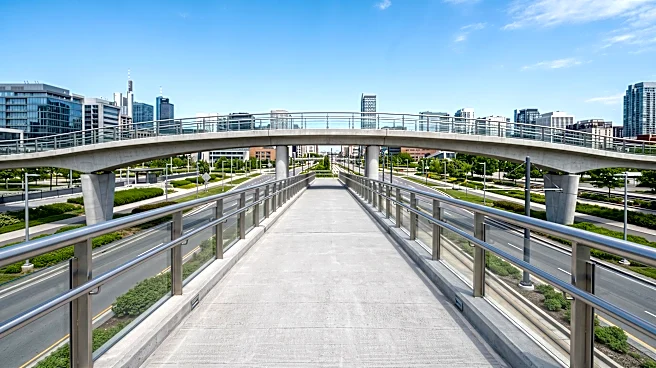
city limits. The tax is designated to fund various transportation projects, including improvements to pedestrian and bike lanes, the addition of more sidewalks, and support for the Grand Connection Crossing, a planned bridge project slated to begin construction in 2028. While the ordinance has been approved, a specific start date for the collection of this tax has not yet been set. State law dictates that newly authorized local sales and use taxes can commence no sooner than 75 days after the Washington Department of Revenue receives notice of the change, and only on the first day of January, April, or July. The Department of Revenue has not yet posted an official notice regarding this new tax.
Why It's Important?
This newly approved sales and use tax is significant for Bellevue's infrastructure development and urban planning. The estimated $11 million it is projected to generate annually will provide a dedicated funding stream for critical transportation projects. These projects, such as enhanced pedestrian and bike infrastructure and new sidewalks, aim to improve mobility, safety, and accessibility for residents, potentially reducing traffic congestion and promoting alternative modes of transportation. The funding for the Grand Connection Crossing is particularly noteworthy, as it represents a major investment in the city's future connectivity. For residents, the tax will translate to an estimated additional cost of about $57 per household annually, based on 2021 data. This decision reflects the city's commitment to investing in its transportation network to support its growing population and economic activity, ensuring that infrastructure keeps pace with urban development. The tax also highlights how local governments are seeking diverse revenue streams to address infrastructure needs without solely relying on state or federal funding.
What's Next?
The next step involves the Washington Department of Revenue posting an official notice with an effective start date for the collection of the 0.1% sales and use tax. Based on state regulations, if the Department of Revenue receives notice by approximately January 16, 2027, the tax could potentially begin on April 1, 2027. A later notice would push the start date to July 1, 2027. Businesses operating in Bellevue will need to adjust their sales tax collection systems once the official start date is announced by the Department of Revenue. The city will then begin allocating the generated funds to the specified transportation projects, with construction on the Grand Connection Crossing targeted to start in 2028. The tax is set to apply for ten years from its first collection date, unless extended. Residents can expect to see gradual improvements in pedestrian, cycling, and overall transportation infrastructure as these projects are implemented over the coming years.
Beyond the Headlines
The approval of this transportation sales tax in Bellevue reflects a broader trend in urban areas where local governments are increasingly taking direct action to fund infrastructure improvements. As federal and state funding for local projects can be inconsistent or insufficient, cities are exploring local tax mechanisms to address their specific needs. This approach empowers local authorities to prioritize projects that directly benefit their communities, fostering a sense of local ownership and accountability for urban development. However, it also places an additional financial burden on residents and businesses, raising questions about tax equity and the cumulative impact of local levies. The focus on pedestrian and bike infrastructure also signals a shift towards more sustainable and multimodal transportation planning, aligning with broader environmental goals and efforts to create more livable, walkable cities. This local initiative could serve as a case study for other growing cities grappling with similar transportation challenges and funding constraints.