






What's Happening?
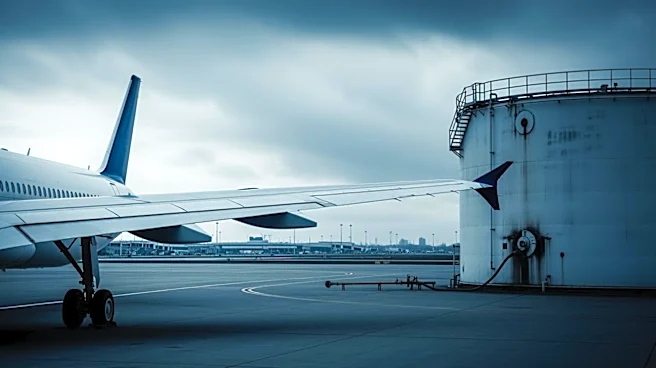
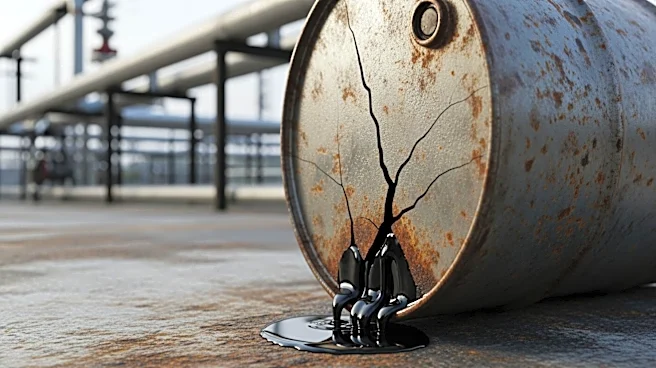
The European Union is exploring the possibility of funding alternative energy routes in the Middle East to avoid conflict zones like the Strait of Hormuz. This initiative comes in response to a fuel crisis and rising oil and gas prices triggered by the Iran
war. European Commission President Ursula von der Leyen announced the EU's readiness to collaborate with Persian Gulf countries on new energy projects that would not be affected by geopolitical tensions. The EU is also considering enhancing defense ties and promoting maritime security missions in the region. The focus is on diversifying Middle East energy infrastructure to reduce reliance on the Strait of Hormuz, a critical passage for global oil and gas transport.
Why It's Important?
This development is significant as it highlights the EU's strategic shift towards securing energy supplies amid geopolitical instability. By investing in alternative energy routes, the EU aims to mitigate the impact of regional conflicts on its energy security. This move could potentially stabilize energy prices and ensure a steady supply of oil and gas to European markets. The initiative also underscores the EU's commitment to strengthening ties with Middle Eastern countries, which could lead to broader economic and security collaborations. The outcome of these efforts could influence global energy markets and geopolitical dynamics, particularly in relation to the EU's energy independence and security strategies.
What's Next?
The EU plans to discuss these energy projects further at an upcoming summit with the Gulf Cooperation Council. This meeting will provide an opportunity to explore specific projects and timelines for implementation. Additionally, the EU's focus on enhancing maritime security in the region may lead to increased naval presence and cooperation with Middle Eastern countries. The EU's efforts to diversify energy routes could also prompt reactions from other global powers with interests in the region, potentially affecting international relations and energy policies.