

What's Happening?
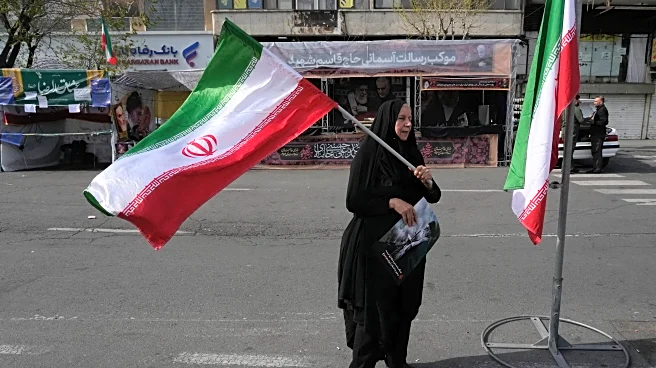
President Trump announced that the United States is engaged in talks with Iran, suggesting significant progress towards a resolution in the ongoing conflict. Trump stated that the discussions could lead to Iran abandoning its nuclear ambitions. However,
Iranian officials, including the Foreign Ministry and parliament speaker, have denied any negotiations with the U.S. The announcement has led to a temporary easing of tensions, with the U.S. delaying planned strikes on Iranian power plants. Despite Trump's claims, the lack of confirmed negotiations from Iran complicates the situation, as Tehran maintains its stance on the Strait of Hormuz.
Why It's Important?
The potential for a diplomatic resolution to the conflict with Iran could have significant implications for global energy markets and regional stability. A successful negotiation could lead to a decrease in oil prices, which have been volatile due to the conflict. For the U.S., a resolution could mean a reduction in military expenditures and a shift in foreign policy focus. However, the denial of talks by Iranian officials suggests that the path to peace may be fraught with challenges. The situation remains precarious, with the potential for escalation if negotiations do not materialize.
What's Next?
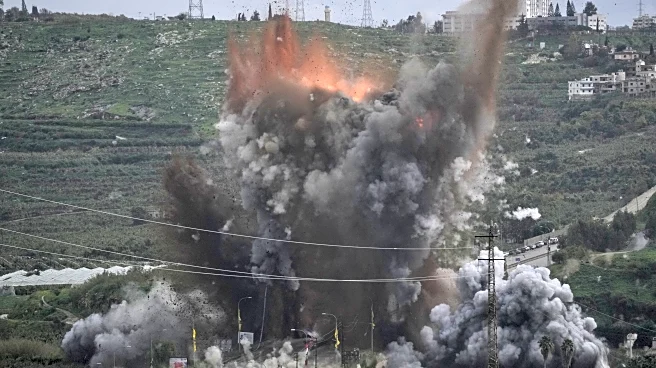
The next steps involve continued diplomatic efforts, with President Trump indicating that talks will proceed throughout the week. The international community, including regional powers like Turkey and Egypt, is likely to play a role in mediating the conflict. The U.S. may face pressure to provide evidence of the alleged negotiations to maintain credibility. Meanwhile, Iran's threats to deploy naval mines in the Persian Gulf if a land invasion occurs highlight the ongoing risk of military escalation.
Beyond the Headlines
The situation underscores the complexities of international diplomacy, where public statements may not always align with behind-the-scenes negotiations. The denial of talks by Iran could be a strategic move to maintain leverage. Additionally, the conflict has broader implications for global security, as it involves multiple stakeholders, including Russia and Israel. The use of surveillance and intelligence in modern warfare, as demonstrated by Israel's actions, raises ethical and legal questions about privacy and the targeting of individuals.