




What's Happening?
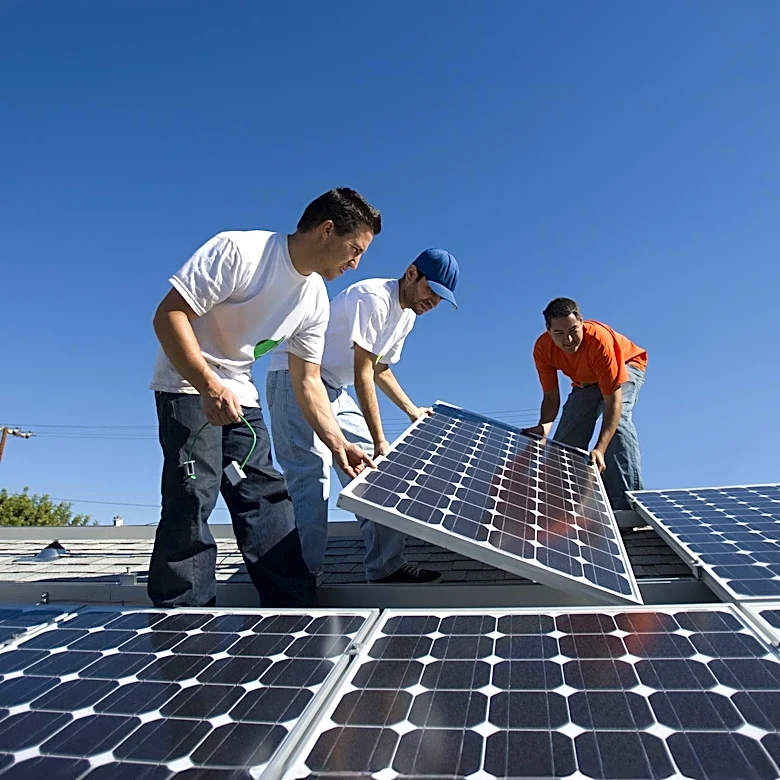
A disabled Florida Army veteran, Kia Love, is experiencing significantly increased utility costs and challenges in selling her home following the installation of solar panels in 2016. She was initially promised 'zero' electric bills by a door-to-door
salesperson, but her electricity costs remained the same, and she incurred an additional monthly payment of $175 for the solar panels. Love discovered that the federal tax benefit, which was a key part of the sales pitch, was unavailable to her due to her income as a disabled veteran. Furthermore, a technician later found that the solar system was improperly installed and not functioning correctly. Her loan for the panels escalated from approximately $16,000 to over $24,000 after two years. The debt was subsequently transferred from Mosaic Solar to Solar Servicing, a common practice where lenders bundle and sell debt portfolios before filing for bankruptcy, leaving borrowers still liable for payments without the promised benefits.
Why It's Important?
This situation highlights significant consumer protection issues within the solar energy industry, particularly concerning sales practices and financing agreements. The case of Kia Love underscores the potential for misleading sales pitches, especially regarding federal tax incentives and expected savings, which can disproportionately affect vulnerable populations like disabled veterans. The transfer of debt to third-party investors, even after the original lender's bankruptcy, creates a complex financial burden for homeowners. The presence of a UCC-1 filing, which acts similarly to a lien, can cloud property titles, making it difficult for homeowners to refinance or sell their homes. This scenario could deter potential solar adopters, impacting the broader adoption of renewable energy and raising questions about the regulatory oversight of solar financing products and sales tactics.
What's Next?
Consumers considering solar panel installations are advised to exercise extreme caution. WKMG's consumer checklist recommends not signing anything on the same day, requesting system-sizing details in writing, comparing multiple companies, and having a qualified tax professional verify eligibility for federal tax credits. Homeowners should also clarify whether the agreement is a loan, lease, or another contract type, and if a UCC-1 filing will be placed on their property. Obtaining written warranty and service terms, including provisions for installer bankruptcy, is crucial. Attorney Joshua Horton suggests filing complaints with the Florida Attorney General’s Office Consumer Division and notes that military consumers may find assistance through a military consumer protection organization at the Department of Agriculture. Some homeowners may need to dispute the debt or pursue legal action.
Beyond the Headlines
The issues faced by Kia Love extend beyond individual financial hardship, pointing to systemic vulnerabilities in the rapidly expanding solar energy market. The aggressive sales tactics and complex financial products, often bundled and resold, create a landscape where consumers can be easily exploited. This raises ethical concerns about the responsibility of solar companies and financial institutions to ensure transparency and fairness. The lack of clear understanding regarding tax incentives and the implications of UCC-1 filings can have long-term consequences for homeowners' financial stability and property rights. This case may prompt increased scrutiny from regulatory bodies and consumer advocacy groups, potentially leading to stricter regulations on solar sales and financing practices to protect consumers and maintain public trust in renewable energy solutions.