







What's Happening?
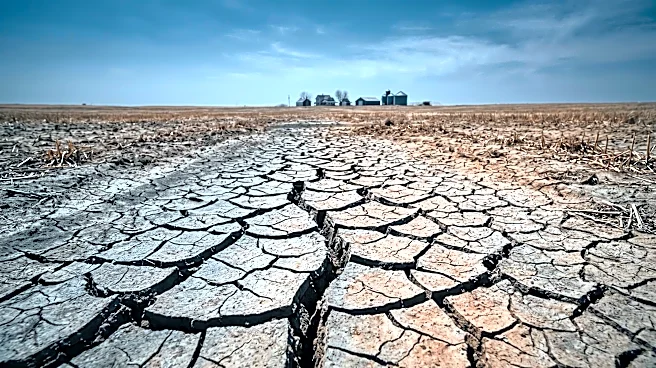
Carlos Giménez, the Minister of Agriculture and Livestock (MAG) in Paraguay, has issued a warning regarding the severe threat posed by the El Niño phenomenon to at least 10,000 farms. He stated that the MAG's capacity to respond to this crisis is severely
hampered by significant budget cuts, with the budget having decreased by 42% over the last five years. Giménez emphasized that if the MAG does not recover sufficient resources, its ability to provide assistance will be compromised in 2027 and 2028. During his presentation to the Bicameral Budget Commission (CBP) on October 12, Giménez estimated direct damages to affect at least 10,000 establishments, potentially impacting 25,000 to 30,000 families, as a single farm can support multiple family units. A preliminary assessment for the Paraná River basin identified approximately 5,200 producers and 2,900 hectares at risk. The minister highlighted that for rural families, 85% of their income comes directly from their farms, making crop losses particularly devastating.
Why It's Important?
The potential impact of El Niño on Paraguayan agriculture, as highlighted by Minister Giménez, carries significant economic and social implications. The loss of crops for 10,000 farms, affecting up to 30,000 families, could lead to widespread economic instability in rural areas. Given that 85% of rural families' income is farm-dependent, a poor harvest directly translates to a substantial reduction in household income, potentially exacerbating poverty and food insecurity. Giménez's warning about 'social explosions' if rural incomes collapse underscores the potential for civil unrest and increased migration from affected regions. Furthermore, the reduced budget for the MAG means a diminished capacity for preventative measures, technical assistance, and emergency response, leaving a large segment of the agricultural sector vulnerable. This situation could also affect Paraguay's overall economic stability, as agriculture is a key sector for the country.
What's Next?
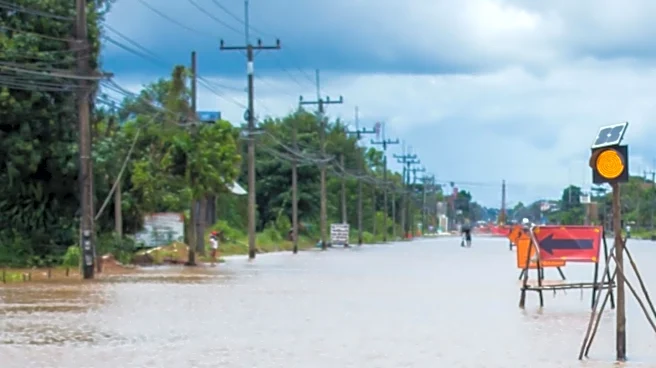
Minister Giménez is urging legislators to restore the MAG's budget to enhance its capacity to assist producers. The General Budget of the Nation (PGN) for 2027 allocates G. 463,846 million (approximately US$71.8 million) for MAG programs, but Giménez argues this is insufficient. The climatic outlook suggests that the peak of El Niño is expected in December, with its effects potentially extending until March and April 2027, coinciding with the beginning of the next budgetary cycle. This timeline means that decisions regarding the MAG's funding are critical and immediate. The southern and eastern regions of Paraguay, particularly the Paraná River basin, require special attention. Experts also advise monitoring the Paraguay River. Beyond financial resources, the MAG faces a shortage of technical personnel due to retirements and low remuneration, further limiting its response capabilities. The government's actions in addressing these budgetary and staffing issues will determine the extent of the impact on affected families and the agricultural sector.
Beyond the Headlines
The situation in Paraguay, as described by Minister Giménez, reveals a deeper challenge concerning the intersection of climate change, economic policy, and social welfare. The long-term implications of underfunding agricultural support in the face of increasingly unpredictable weather patterns could lead to a cycle of rural poverty and dependence. The minister's stark warning of 'social explosions' highlights the critical link between economic stability in rural communities and broader societal peace. This scenario also brings to light the ethical responsibility of governments to protect vulnerable populations from environmental disasters, especially when their livelihoods are directly tied to natural resources. The struggle to retain technical staff due to low pay points to systemic issues within public service, where essential expertise is undervalued, further weakening the state's ability to manage crises. This situation could serve as a case study for other nations grappling with similar challenges, emphasizing the need for proactive investment in climate resilience and agricultural support.