




What's Happening?
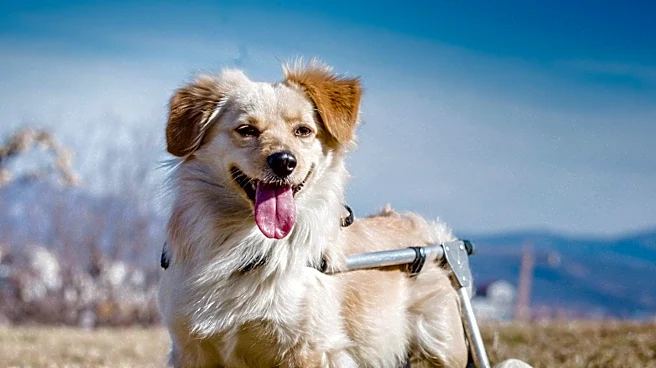
Duke, an 8-year-old collie, was found after being missing for 16 days in the Osage, Minnesota wilderness. His owner, Shawna Walters, initiated a widespread search effort involving friends, family, neighbors, and even strangers. The search utilized various
methods, including thermal drones, which ultimately located Duke 1.2 miles from home. Upon discovery, Duke was found at the bottom of a 4-foot drop to a riverbed, severely injured with puncture marks, a hernia, a bite mark on his neck, a large hot spot, and missing chunks of fur from his legs. An emergency veterinarian suspects a wolf attack. Duke was rushed to BluePearl Vet Hospital in Golden Valley, where an initial treatment estimate was $9,000. Shawna, who receives a VA stipend, found this amount unattainable. However, an anonymous donor covered a significant portion of the revised stabilization cost of $3,259, paying $3,200. Duke is now undergoing rehabilitation for pancreatitis and will require hernia repair surgery, with ongoing care managed by Isaacson’s Veterinary Hospital.
Why It's Important?
This event highlights the profound bond between humans and their pets, particularly for individuals like Shawna Walters, for whom Duke represents a strong connection to her late father, a Vietnam veteran. The community's extensive mobilization, including the use of advanced technology like thermal drones and the financial generosity of an anonymous donor, underscores the collective empathy and willingness to support individuals facing hardship. The story also sheds light on the financial challenges associated with emergency veterinary care, which can be a significant burden for pet owners, even with insurance or personal savings. The reliance on public fundraising platforms like GoFundMe and direct donations to veterinary clinics demonstrates the critical role community support plays in bridging these financial gaps and ensuring beloved pets receive necessary medical attention. Furthermore, it brings attention to the potential dangers pets face in wilderness areas, such as encounters with wildlife, and the resilience of animals in survival situations.
What's Next?
Duke is currently undergoing treatment for pancreatitis and is expected to make a full recovery, though he will require hernia repair surgery. Shawna Walters is overseeing his rehabilitation with the assistance of Isaacson’s Veterinary Hospital, having converted her kitchen into a 'sick bay' for his recovery. She has also set up a GoFundMe page to help cover Duke's ongoing veterinary expenses, including the upcoming hernia repair surgery. Donations can also be made directly to Isaacson’s Veterinary Hospital. The community's continued support, both financial and emotional, will be crucial for Duke's complete recovery and for Shawna as she manages his care. The story may also encourage other pet owners in similar situations to seek community assistance and explore various fundraising options for their pets' medical needs.
Beyond the Headlines
The narrative of Duke's rescue extends beyond a simple pet recovery story, touching upon themes of resilience, community solidarity, and the emotional significance of companion animals. For Shawna Walters, Duke is not just a pet but a living link to her father, a Vietnam veteran, making his survival deeply personal and symbolic. Her own experience with spina bifida, stemming from her father's Agent Orange exposure, adds another layer of personal struggle and determination to her relentless search. The story subtly highlights the long-term health impacts of military service on veterans and their families. The outpouring of support from strangers, including a woman from North Carolina, demonstrates the power of social media and shared humanity in times of crisis. This event serves as a poignant reminder of the often-unseen emotional and financial burdens associated with pet ownership, especially when unexpected medical emergencies arise, and the vital role that community networks play in alleviating these pressures.