

What's Happening?
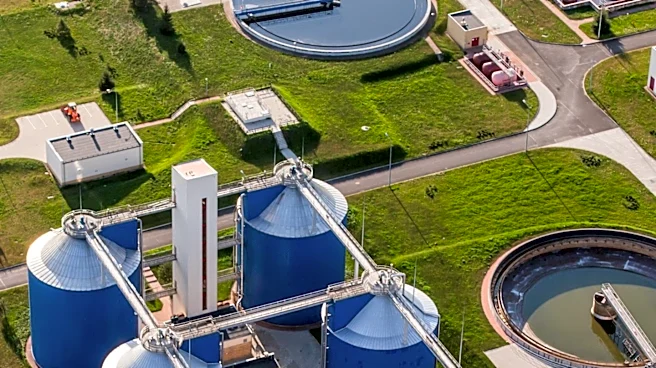
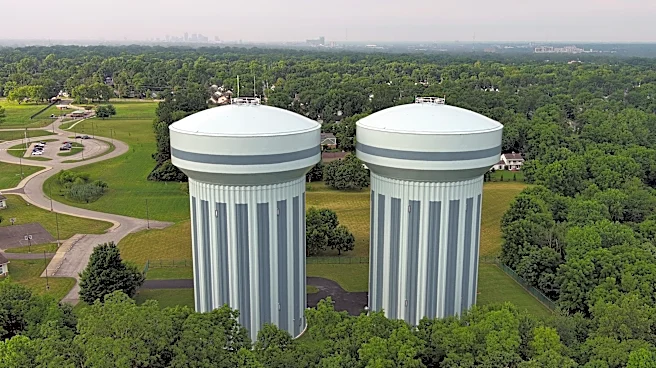
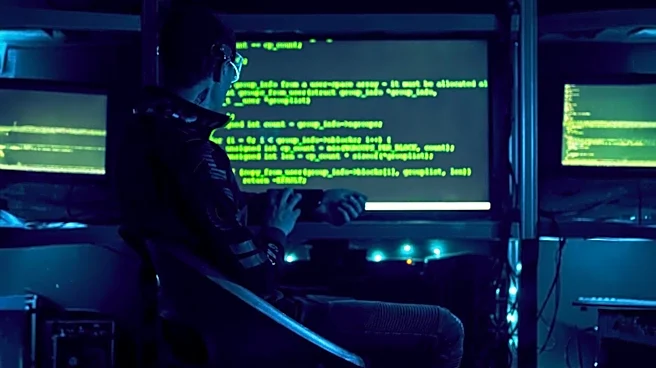
The FBI and EPA have issued a warning about cyberattacks on water and wastewater utilities in at least seven states, believed to be linked to Iranian hackers. These attacks have targeted internet-facing programmable logic controllers, leading to operational
disruptions such as pressure loss and flooding. The attacks exploited outdated systems that lacked security patches, allowing hackers to change IP addresses and passwords, locking operators out of their equipment. This situation mirrors past incidents, highlighting the persistent vulnerability of U.S. water infrastructure to cyber threats.
Why It's Important?
The attacks reveal significant cybersecurity gaps in the U.S. water sector, which is critical for public health and safety. With many water systems relying on outdated technology and lacking the resources for cybersecurity upgrades, they remain vulnerable to exploitation. The incidents underscore the need for mandatory cybersecurity standards and increased funding to protect these essential services. The broader implications include potential threats to other critical infrastructure sectors, emphasizing the need for a comprehensive national cybersecurity strategy.
What's Next?
In response to these threats, water utilities are expected to implement the FBI and EPA's guidance, which includes removing controllers from public internet access and strengthening password protocols. There may be calls for federal assistance to help smaller utilities upgrade their systems. Additionally, legislative action could be taken to enforce stricter cybersecurity regulations across the water sector. The situation may also prompt a reevaluation of the U.S.'s overall approach to protecting critical infrastructure from cyber threats.