
What's Happening?
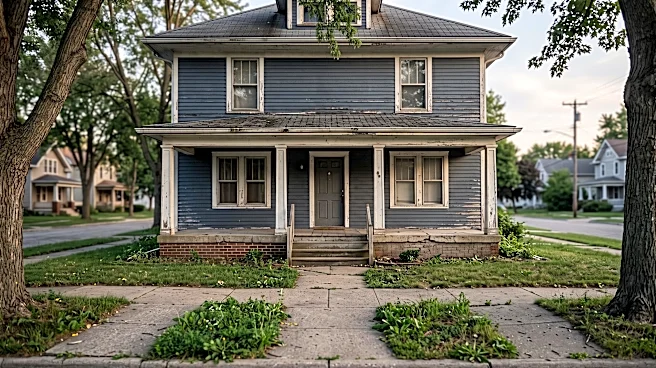
Residents in Lima, Ohio, are raising concerns about gentrification, citing developers purchasing dilapidated properties cheaply, renovating them, and then listing them at significantly higher prices, making
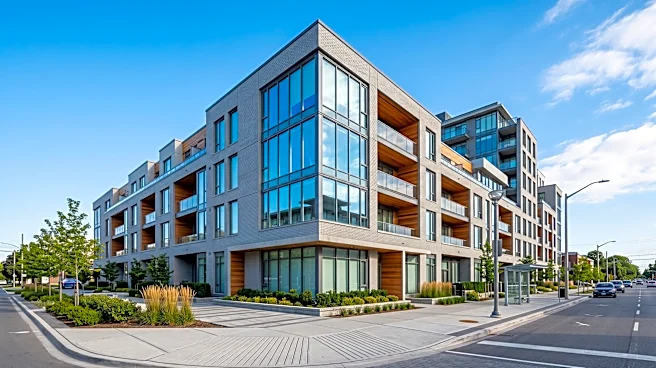
them unaffordable for long-term residents. Councilor Jesse Lowe of Lima's Third Ward highlighted this issue in a Facebook post, which garnered significant agreement from the community. A 2020 housing assessment by Harsany and Associates LLC indicated that the average home value in Lima was $66,000, considerably lower than the county and state averages, with over 5,900 houses needing substantial rehabilitation and a majority being rented. Residents like Thomas Williams note that new rentals are averaging $1,500 a month, while his mortgage is $420, and new homes are being built for $250,000-$350,000, which locals cannot afford. Developers and the city, however, argue that revitalization efforts are necessary to maintain housing options across all price points and that federal funding helps bridge the gap for affordable housing.
Why It's Important?
The concerns in Lima highlight a growing tension in many U.S. communities between urban revitalization and the displacement of lower-income residents. If unchecked, gentrification can lead to a significant shift in a city's demographic and economic landscape, potentially eroding community identity and exacerbating housing inequality. The rising cost of housing, driven by renovation and development, can force long-standing residents, particularly those on fixed or lower incomes, out of their neighborhoods. This can also impact local businesses that cater to the original community, as their customer base changes. The debate over how to balance necessary housing improvements with affordability is crucial for maintaining diverse and inclusive communities, and the outcomes in Lima could serve as a case study for other cities facing similar challenges.
What's Next?
The ongoing dialogue between Lima residents, city officials, and developers will likely shape future housing policies and development strategies in the city. Councilor Lowe has expressed concerns about the allocation of Community Development Block Grant funds, suggesting they should be used to help residents maintain their homes and promote homeownership rather than solely for new developments or demolitions. The city's public information officer, Jessica Begonia, clarified that a portion of HOME funds is reserved for affordable housing activities and that the city also has funds for emergency and general home repair assistance. Future actions may involve increased transparency in the bidding process for vacant properties, re-evaluation of grant fund utilization, and potential community-led initiatives to support existing homeowners and prevent displacement. The city's approach to these concerns will determine whether it can achieve revitalization without sacrificing affordability and community stability.
Beyond the Headlines
The situation in Lima reflects a broader national challenge concerning housing affordability and the impact of development on existing communities. Beyond the immediate economic implications, gentrification can lead to a loss of cultural heritage and social networks that have been built over generations. The concept of 'good gentrification,' as suggested by some developers who aim to improve neighborhoods and increase property values for existing residents, often clashes with the reality of rising costs and displacement. This raises ethical questions about who benefits from urban development and whether current policies adequately protect vulnerable populations. The long-term implications could include increased social stratification, reduced diversity in urban centers, and a greater demand for social services as displaced residents struggle to find affordable housing elsewhere. Addressing these issues requires a nuanced approach that prioritizes community well-being alongside economic growth.