
What's Happening?
PG&E crews are actively working to underground over 100 miles of power lines in Placer County by the end of the year. This initiative is part of a larger company-wide effort to bury 1,900 miles of power lines by the end of 2027,
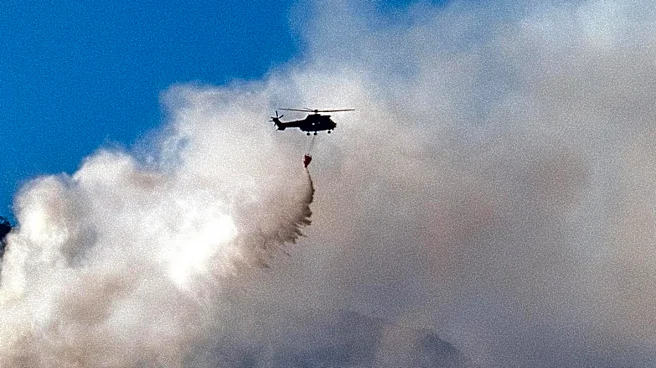
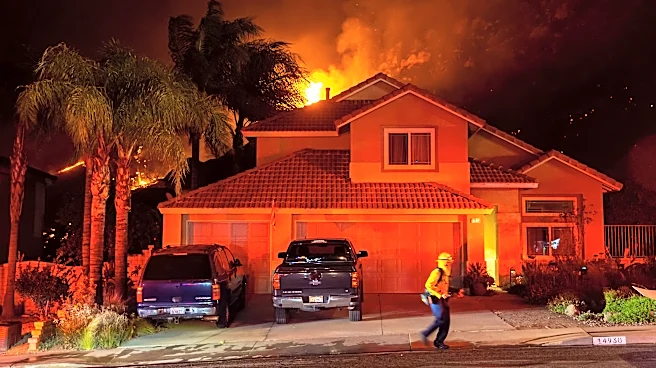
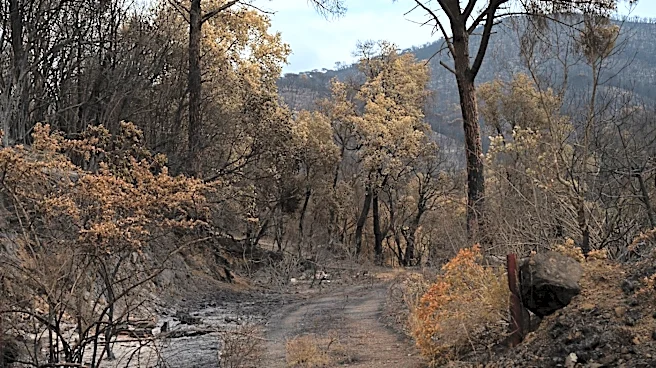
specifically targeting high-fire threat areas. According to Matt Pender, VP of Undergrounding and System Hardening for PG&E, undergrounding power lines eliminates approximately 98% of wildfire risk associated with their equipment and significantly increases reliability. While the upfront cost of undergrounding is higher, Pender states it is a more cost-effective long-term solution, as these lines are expected to last at least 60 years with minimal maintenance and no risk from falling trees. This project follows a recent $22 million fine imposed on PG&E as part of a settlement over the Mosquito Fire, which destroyed 78 structures and burned nearly 77,000 acres in Placer County four years prior, with electrical arcing from PG&E equipment identified as the likely cause.
Why It's Important?
This extensive undergrounding project by PG&E is a critical step in addressing the escalating wildfire crisis in California, which has been exacerbated by climate change and aging infrastructure. By significantly reducing the risk of power lines igniting fires, PG&E aims to protect communities, save lives, and prevent the massive economic and environmental damage caused by wildfires. The initiative also seeks to improve the reliability of power service, which is often disrupted by weather events affecting overhead lines. For residents in high-fire risk areas, this project offers a tangible sense of security and a potential reduction in the constant threat of wildfires. The substantial investment in undergrounding reflects a shift in strategy for utility companies, moving from reactive responses to proactive prevention, driven in part by regulatory pressures and past liabilities, such as the Mosquito Fire settlement.
What's Next?
PG&E will continue its accelerated undergrounding efforts in Placer County and other high-fire threat areas across California, aiming to meet its 1,900-mile target by the end of 2027. While the construction process may cause temporary inconveniences like road closures and noise for local communities, the long-term benefits of reduced wildfire risk and improved power reliability are expected to outweigh these challenges. The success of this program could influence other utility companies in fire-prone regions to adopt similar large-scale undergrounding initiatives. Furthermore, the ongoing implementation and evaluation of this project will provide valuable data on the effectiveness and cost-efficiency of undergrounding as a primary wildfire mitigation strategy, potentially shaping future regulatory requirements and infrastructure investments in the energy sector.
Beyond the Headlines
The shift towards undergrounding power lines represents a significant evolution in infrastructure management, driven by the increasing severity of climate-related disasters. This initiative highlights the complex interplay between environmental challenges, corporate responsibility, and public safety. Beyond the immediate benefits of wildfire prevention, undergrounding can also enhance grid resilience against other threats, such as extreme weather events and even physical attacks. However, the high upfront costs and logistical complexities of such projects raise questions about funding mechanisms, potential rate increases for consumers, and equitable distribution of these improvements across diverse communities. This long-term investment in infrastructure also reflects a broader societal recognition of the need to adapt to a changing climate and build more resilient communities, potentially setting a precedent for other critical infrastructure sectors facing similar environmental pressures.