





What's Happening?
A new United Nations report, presented by Special Rapporteur Dr. Bethanie Carney Almroth, marks 30 years of the UN mandate on toxics and human rights. The report underscores that toxic pollution constitutes a human rights crisis, documenting how exposure
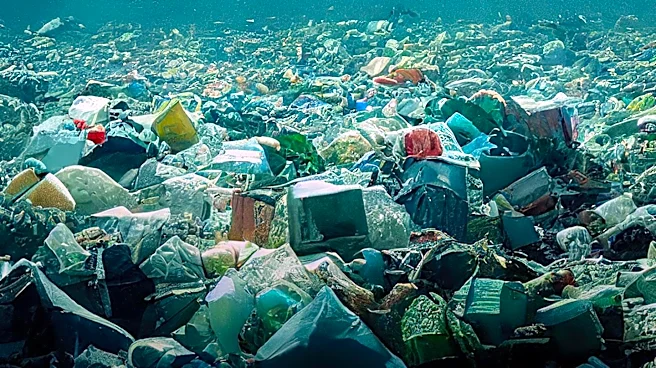
to hazardous substances and waste infringes upon fundamental rights, including the rights to life, health, and a clean, healthy, and sustainable environment. The report emphasizes that the burden of this pollution disproportionately affects those who are least responsible for its creation. Over the past three decades, the mandate has consistently highlighted issues ranging from 'forever chemicals' (PFAS) and plastics to toxic mining and contaminated communities. Dr. Almroth's report reviews the achievements of the mandate and identifies areas where further change is urgently needed. It concludes that despite 30 years of documenting harm, stronger action is now required to prevent future pollution and ensure justice for affected populations.
Why It's Important?
This UN report is critically important for the U.S. as it frames toxic pollution not merely as an environmental issue but as a direct violation of human rights. This perspective could influence U.S. policy-making by elevating environmental justice concerns and potentially leading to more stringent regulations on hazardous substances. Industries in the U.S. that produce or utilize 'forever chemicals,' plastics, or engage in activities like mining could face increased scrutiny, legal challenges, and demands for accountability. The report's emphasis on disproportionate impacts on vulnerable communities aligns with growing environmental justice movements within the U.S., potentially empowering advocacy groups and leading to policy changes aimed at protecting marginalized populations. Furthermore, the call for stronger action could spur innovation in green chemistry and sustainable manufacturing practices, creating new economic opportunities for companies that prioritize environmental safety. Conversely, companies that fail to adapt could face significant financial and reputational risks, including litigation and consumer boycotts. The report also highlights the need for international cooperation, which could influence U.S. engagement in global environmental agreements and standards.
What's Next?
Following the presentation of Dr. Bethanie Carney Almroth's report, the focus will shift towards implementing stronger actions to prevent toxic pollution and ensure justice. This could involve increased pressure on governments, including the U.S., to review and update their environmental regulations concerning hazardous substances, 'forever chemicals,' and plastic waste. Advocacy groups and human rights organizations are likely to leverage the report's findings to push for more robust environmental justice policies and greater corporate accountability. There may be calls for enhanced monitoring of industrial activities, stricter enforcement of existing laws, and the development of new legislation to address emerging toxic threats. Furthermore, the report could stimulate international dialogues and collaborations aimed at establishing global standards for chemical management and pollution control. Companies operating in sectors identified as major contributors to toxic pollution may face demands for greater transparency, investment in cleaner technologies, and participation in remediation efforts. The report's findings are expected to inform ongoing discussions within the UN framework and potentially influence future international agreements on environmental protection.
Beyond the Headlines
The UN report's framing of toxic pollution as a human rights crisis delves into profound ethical and legal dimensions. Ethically, it challenges the prevailing economic models that prioritize industrial output over human well-being and environmental integrity, particularly when the costs of pollution are borne disproportionately by vulnerable communities. This raises questions about corporate responsibility and the moral obligations of states to protect their citizens from environmental harm. Legally, the report strengthens the argument for recognizing a universal right to a healthy environment, which could have significant implications for environmental litigation and policy development globally and within the U.S. It suggests that environmental degradation is not merely an ecological problem but a matter of fundamental human dignity and justice. Culturally, the report could foster a greater public awareness and demand for accountability from polluters, potentially shifting societal values towards more sustainable and equitable practices. The long-term implication is a potential re-evaluation of industrial practices and regulatory frameworks, moving towards a system where environmental protection and human rights are intrinsically linked and legally enforceable.