





What's Happening?
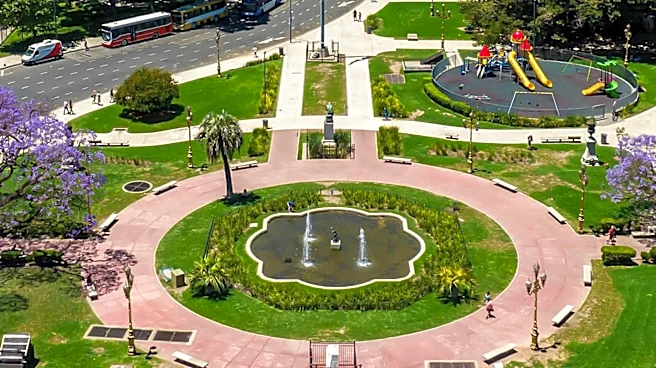
Allen Morris Co., in partnership with the City of Coral Gables and Agave Holdings, has announced a public-private initiative to redesign Fred B. Hartnett Ponce Circle Park in Coral Gables, Florida. The project, valued at over $10 million, aims to introduce
new public art, landscaped gathering spaces, an open-air performance venue, and improved pedestrian infrastructure. Maria de la Guardia of de la Guardia Victoria Architects & Urbanists and Andres Arcila of Naturalficial are leading the redesign, with planting design coordinated with Fairchild Tropical Botanic Garden. Funding for the improvements will come from a three-party arrangement involving Allen Morris Co., the City of Coral Gables, and Agave Holdings. Allen Morris Co. will also manage the development, overseeing design, permitting, and construction. The Coral Gables City Commission has unanimously approved the project, and a development management agreement has been executed. The park, originally designed by landscape architect William Lyman Phillips in the 1920s, has been a part of the city's historic urban layout for approximately a century. This redesign represents the most extensive improvements since its establishment, aiming to retain its civic function while adding new landscape, cultural, and pedestrian elements.
Why It's Important?
This significant investment in Ponce Circle Park underscores a growing trend in urban development where public-private partnerships are leveraged to enhance community spaces. For Coral Gables, the redesign is expected to strengthen its downtown area and improve the quality of life for residents by providing modern, accessible, and aesthetically pleasing public amenities. The inclusion of a large-scale sculpture by American artist Frank Stella, 'Puffed and Inverted Star II,' will elevate the park's cultural profile and contribute to the city's public art collection, potentially attracting more visitors and fostering a vibrant cultural scene. The project's emphasis on biodiversity and landscape resilience, guided by Fairchild Tropical Botanic Garden, reflects a broader commitment to sustainable urban planning. Furthermore, the planned infrastructure improvements, such as enhanced pedestrian crossings and a new stormwater drainage system, address critical urban challenges like pedestrian safety and connectivity, which are vital for the functionality and appeal of urban centers. This initiative could serve as a model for other U.S. cities looking to revitalize their public spaces through collaborative funding and design efforts.
What's Next?
Construction for the Ponce Circle Park redesign is scheduled to commence in January 2027, with an anticipated completion in the first quarter of 2028. During this period, the project will involve the installation of the Frank Stella sculpture within a reflecting pool, the construction of the Odeon open-air performance structure, and the implementation of various landscape and architectural elements. The Odeon is designed to host a range of cultural programming, including concerts, theatrical productions, and civic functions, and will also offer flexible public seating. Beyond the park itself, coordinated streetscape and infrastructure improvements along Ponce de Leon Boulevard and Almeria Avenue to University Drive are planned. These include enhanced pedestrian crossings, raised crosswalks, speed tables, and a new stormwater drainage system. The successful execution of these phases will be crucial for realizing the project's full vision and delivering its intended benefits to the community. The ongoing collaboration between Allen Morris Co., the City of Coral Gables, and Agave Holdings will continue to guide the project through its construction and implementation stages.
Beyond the Headlines
The redesign of Ponce Circle Park highlights a deeper philosophical shift in urban planning towards creating 'third places'—spaces that are neither home nor work, but vital for community interaction and well-being. By integrating public art, performance venues, and green spaces, the project aims to foster a sense of civic pride and belonging, reflecting the unique character of Coral Gables. The unanimous approval by the City Commission and the multi-party funding arrangement underscore a collective recognition of the intrinsic value of public spaces in defining a city's identity and enhancing its livability. The inclusion of a work by a renowned artist like Frank Stella, especially one of his final large-scale pieces, adds a layer of cultural legacy, transforming the park into a significant artistic landmark. This initiative also subtly addresses the evolving relationship between urban development and environmental consciousness, with the planting strategy emphasizing biodiversity and resilience. The project's success could influence future urban development strategies, encouraging more holistic approaches that prioritize cultural enrichment, ecological sustainability, and community engagement alongside economic growth.