






What's Happening?
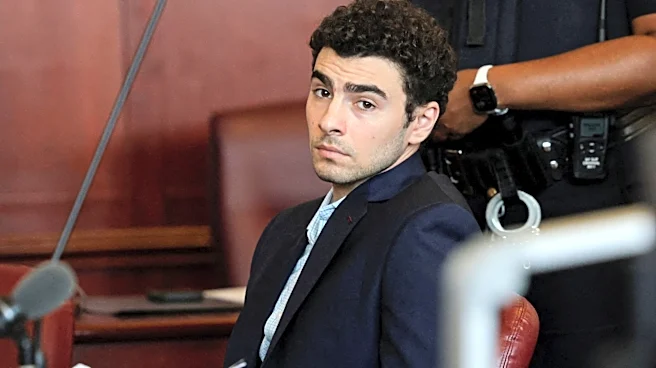
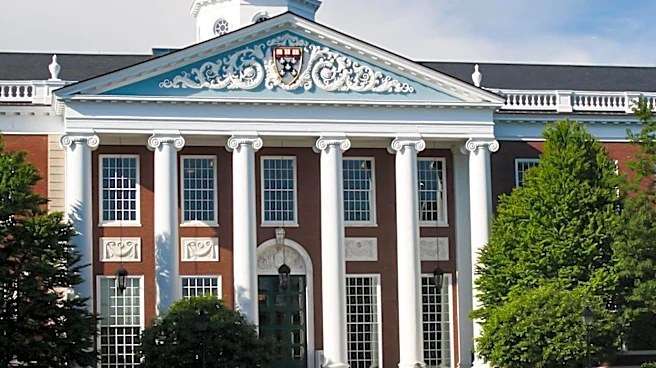
Harvard University has agreed to a $53 million settlement to resolve civil lawsuits stemming from the illegal theft and sale of human remains donated to its medical school for scientific research. Cedric Lodge, a former Harvard Medical School morgue manager,
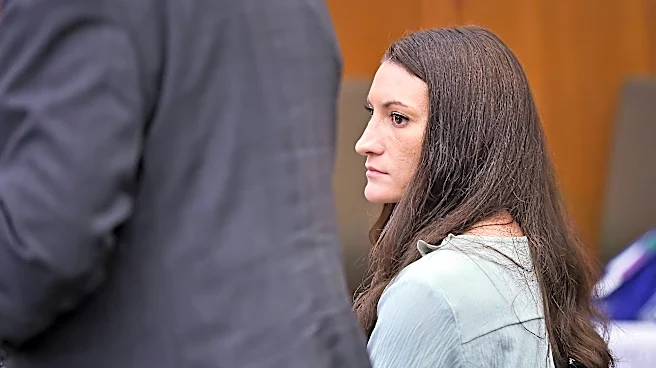
was sentenced to eight years in prison in December after pleading guilty to stealing and selling body parts, including organs, skin, brains, and dissected heads, from cadavers between 2018 and at least March 2020. His wife, Denise Lodge, received a 12-month and one-day prison sentence for her involvement. The U.S. Justice Department stated that Lodge transported the remains to his New Hampshire home and, with his wife, shipped them to buyers in other states, including Massachusetts and Pennsylvania, often for resale at a profit. Several other defendants also pleaded guilty and were sentenced in related cases. The settlement follows lawsuits filed by affected families in the summer of 2023, alleging negligence, breach of fiduciary duty, and emotional distress.
Why It's Important?
This settlement is significant as it addresses a profound breach of trust within a revered academic institution and highlights the ethical and legal ramifications of mishandling human remains. The incident undermines the integrity of anatomical gift programs, which are crucial for medical education and research, by potentially deterring future donations. For the families of donors, the theft and sale of their loved ones' remains represent a deeply distressing violation of their altruistic intentions and a betrayal of the respect due to the deceased. The financial settlement, while substantial, also underscores the severe emotional and psychological impact on those affected. Furthermore, the case brings to light vulnerabilities in oversight and security within institutions entrusted with such sensitive materials, prompting a reevaluation of protocols to prevent similar occurrences in the future and restore public confidence in these vital programs.
What's Next?
As part of the settlement, Harvard Medical School will issue a statement to claimant families via a live webinar, affirming that Cedric Lodge's conduct was "morally reprehensible" and inconsistent with Harvard's standards. The school will also provide a summary of changes made to its Anatomical Gift Program to prevent future incidents. Additionally, Harvard Medical School plans to establish an annual financial aid scholarship for medical students, commencing in the 2027-28 academic year, intended to honor all anatomical donors. While the criminal case against Lodge is concluded and the class action settlement aims to resolve the civil cases, Harvard deans George Daley and Edward Hundert noted that the process of recovering from this painful incident is ongoing. The school will continue to work on rebuilding trust and ensuring the integrity of its anatomical donation program.
Beyond the Headlines
The Harvard case extends beyond the immediate legal and financial implications, touching upon deeper ethical and societal considerations regarding the treatment of human remains and the sanctity of anatomical donations. The incident exposes a dark facet of the black market for human body parts, raising questions about the demand for such materials and the networks that facilitate their illicit trade. It also prompts a broader discussion about the responsibilities of institutions that receive anatomical gifts, emphasizing the need for stringent ethical guidelines, robust security measures, and transparent accountability. The betrayal of trust experienced by donor families could have long-term consequences for medical research and education, potentially leading to increased scrutiny and reluctance from potential donors. This event serves as a stark reminder of the profound respect owed to the deceased and the critical importance of upholding ethical standards in all scientific and educational endeavors involving human remains.