



What's Happening?
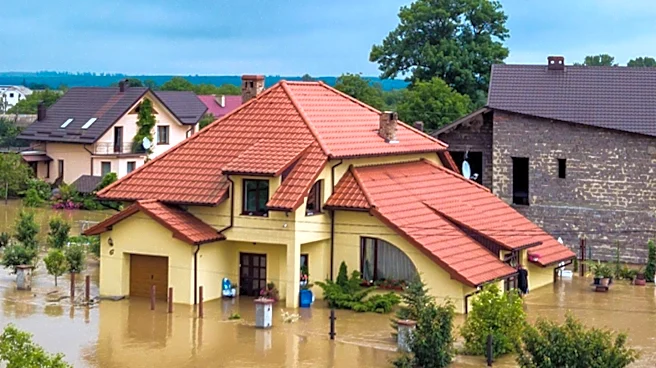
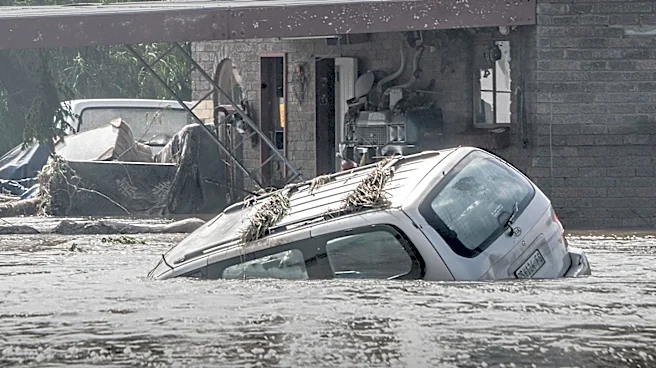
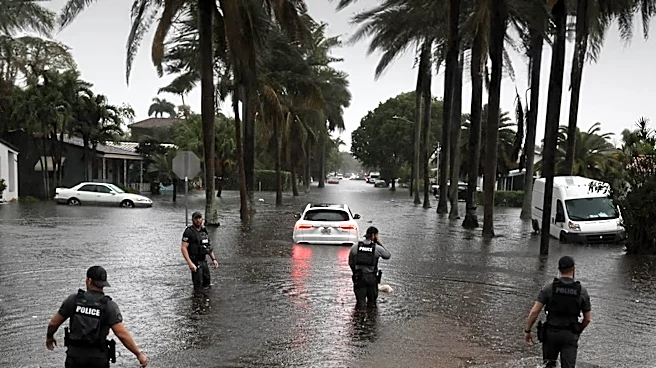
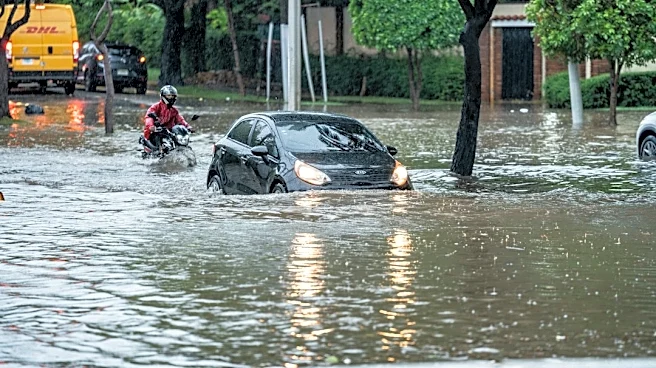
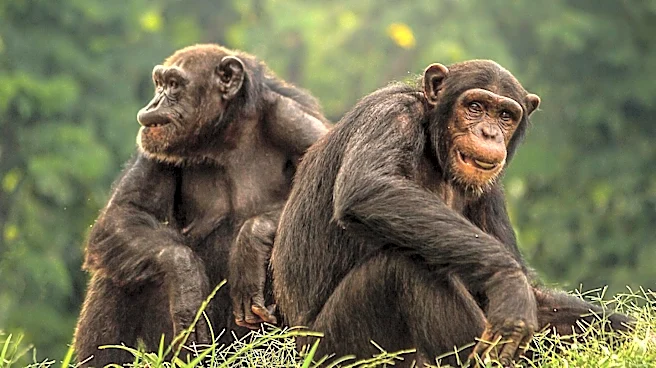
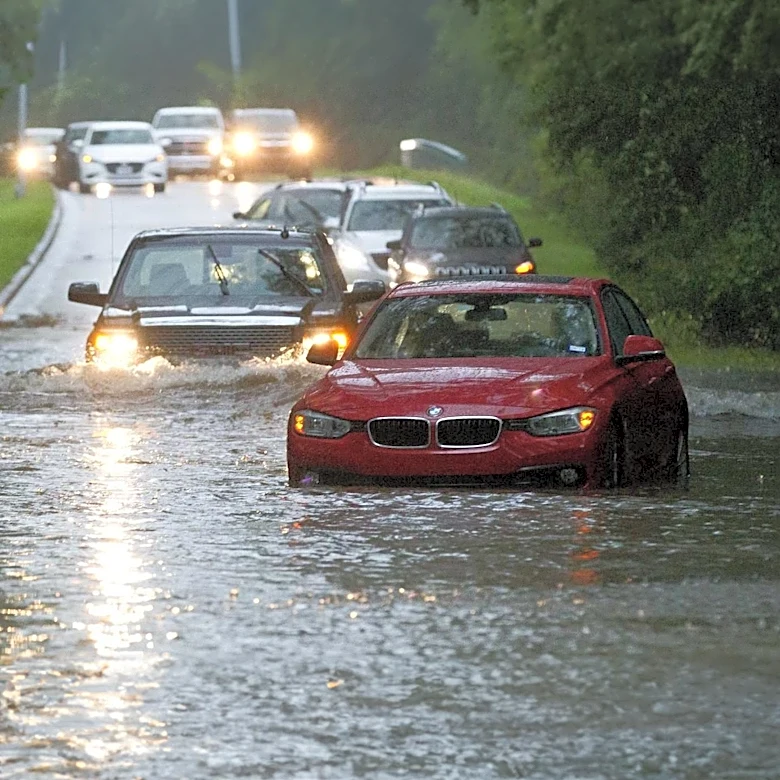
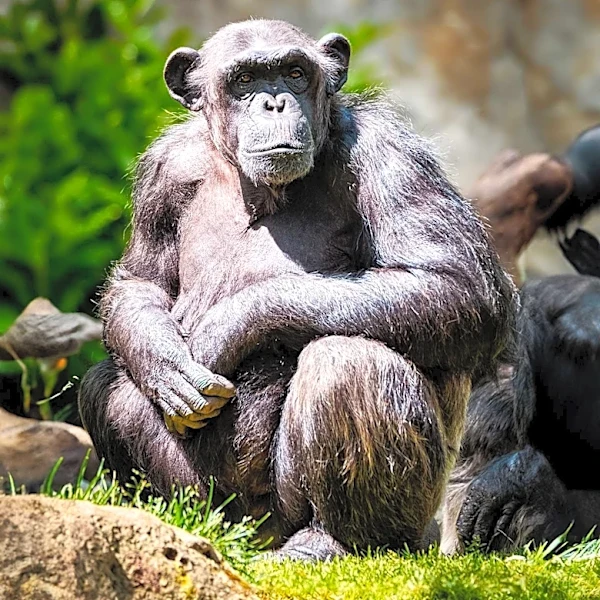
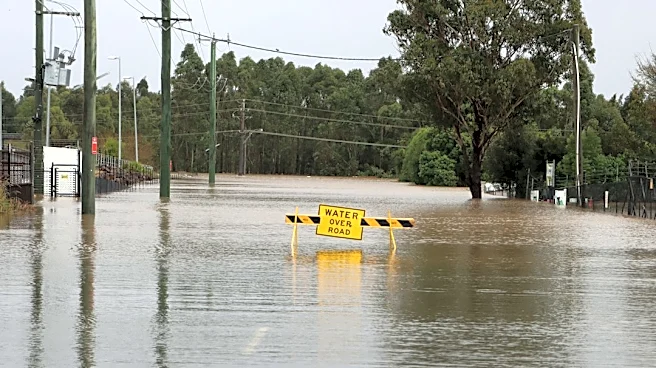
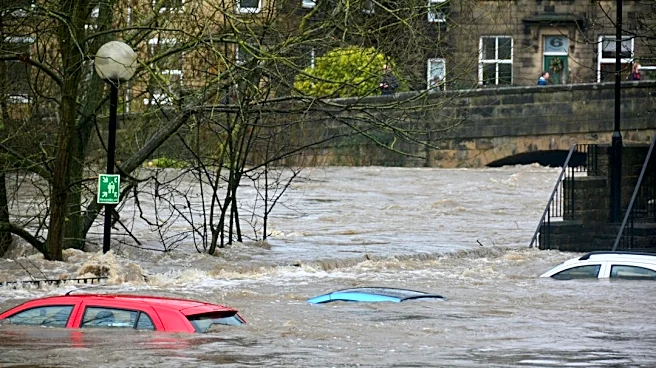
Save the Chimps, a sanctuary near Fort Pierce, Florida, resorted to using a drone to deliver food to one of its 200 apes, Kaleb, after severe rainstorms caused widespread flooding on its 150-acre property. The heavy rainfall from Sunday through Tuesday
submerged internal roads, making it impossible to deliver the daily 3,000 pounds of chimp food via golf carts. While most chimps were secure in care houses on high ground, Kaleb, a 38-year-old chimp, was in an outdoor area cut off by water. The sanctuary utilized a pre-purchased delivery drone to bring food and blankets to Kaleb until he moved to a more accessible location. Despite the challenges, the organization confirmed that all chimps received their food on time, and water levels began to recede significantly by Saturday.
Why It's Important?
This incident highlights the critical role of innovative solutions and preparedness in managing animal welfare during natural disasters. The use of drone technology for essential deliveries demonstrates adaptability in extreme conditions, ensuring the safety and well-being of endangered species. For animal sanctuaries and rescue organizations, particularly those in flood-prone regions, this event underscores the necessity of having contingency plans and advanced tools to overcome logistical challenges posed by environmental crises. The widespread flooding also impacted staff accessibility, making it difficult for employees to reach the sanctuary, further emphasizing the strain such events place on critical care operations and the need for robust emergency protocols.
What's Next?
As the floodwaters recede, Save the Chimps is appealing to the public for assistance in repairing damaged buildings and equipment. The organization has received a matching donation offer, which will help in recovery efforts. The experience will likely prompt a review and enhancement of emergency preparedness plans, potentially including further integration of drone technology for future logistical challenges. The incident also serves as a reminder for other animal care facilities to assess their vulnerability to natural disasters and invest in resilient infrastructure and innovative delivery methods to protect their animal residents.
Beyond the Headlines
The use of a drone to deliver food to a chimp in a flooded sanctuary offers a glimpse into the evolving applications of technology in humanitarian and animal welfare contexts. Beyond its immediate practical utility, this event showcases how drones can bridge gaps in accessibility during emergencies, providing vital support when traditional methods fail. It also subtly underscores the broader implications of climate change, as increasingly frequent and severe weather events necessitate more sophisticated and adaptable disaster response strategies. The story also brings attention to the dedicated efforts of animal care professionals who often put themselves at risk to ensure the safety of the animals under their charge, highlighting the ethical commitment to animal welfare even in the face of significant adversity.