
What's Happening?
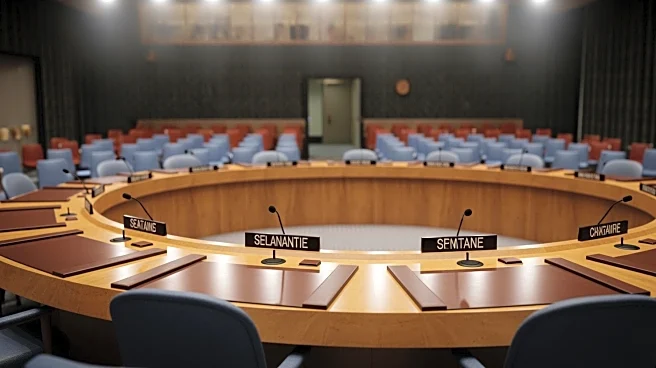
The United Nations Security Council convened an emergency session in New York to discuss the United States' recent rendition of Venezuela's President Nicolás Maduro from Caracas. This action has caused
significant concern and debate among international leaders. UN Secretary-General António Guterres emphasized the importance of respecting national sovereignty, political independence, and territorial integrity. He warned that the US's actions could set a dangerous precedent for the global order. The meeting highlighted the tensions surrounding the US's intervention in Venezuela and the potential implications for international law and diplomatic relations.
Why It's Important?
The US's rendition of President Maduro has significant implications for international relations and the principles of national sovereignty. This move by the US could lead to increased tensions between countries and challenge the established norms of international diplomacy. It raises questions about the balance of power and the role of international law in resolving conflicts. The situation could impact US relations with other countries in the region and beyond, potentially leading to diplomatic rifts or realignments. The Security Council's response and the international community's reaction will be crucial in determining the future of international norms and the handling of similar situations.
What's Next?
The international community will closely monitor the Security Council's discussions and any resolutions that may arise from this meeting. Countries may seek to address the broader implications of the US's actions through diplomatic channels or international forums. The situation could lead to calls for reforms in international law to prevent similar occurrences in the future. Additionally, Venezuela's political landscape may experience further instability as a result of this intervention, affecting regional dynamics and potentially leading to increased migration or economic challenges.