




What's Happening?
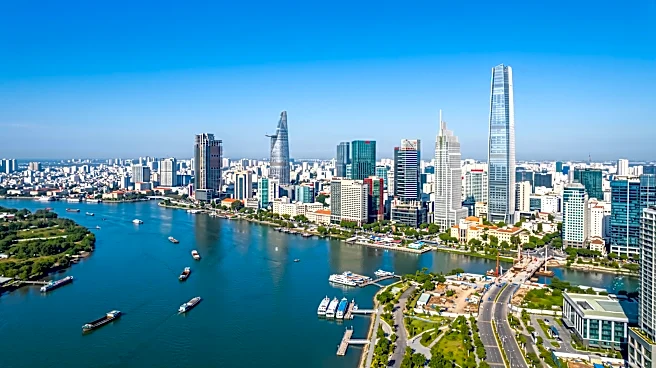
The World Economic Forum (WEF) is co-branding the Autumn Economic Forum 2026 (AEF 2026) in Ho Chi Minh City, Vietnam, marking the first time the WEF has participated in such an initiative for this event. Scheduled from October 26 to 29, 2026, the forum,
themed 'Collaboration in a New Era,' aims to identify new growth drivers and foster international cooperation amidst a dynamic global economic landscape. Approximately 1,500 domestic and international delegates are expected to attend, including government leaders, representatives from ministries, international organizations, financial institutions, investment funds, technology companies, experts, and scientists. The co-branding effort, particularly during the main days of October 27th and 28th, is a significant milestone, according to Mr. Le Truong Duy, Director of the Center for the Fourth Industrial Revolution in Ho Chi Minh City (HCMC C4IR). This collaboration is designed to disseminate information about the forum through the WEF's global network of Fourth Industrial Revolution Centers, thereby connecting international agendas with Vietnam's development priorities and expanding opportunities for investment, technology, and innovation partnerships.
Why It's Important?
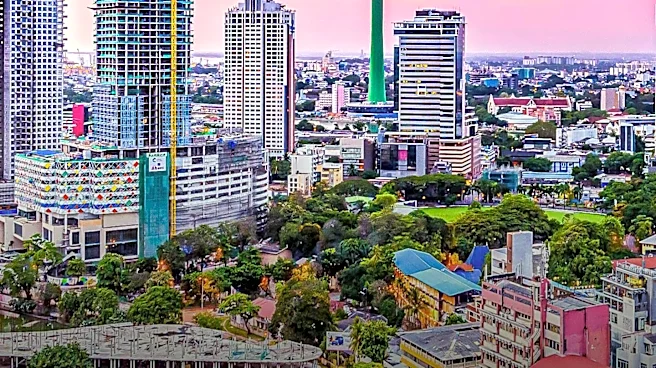
This co-branding initiative by the World Economic Forum is crucial for Vietnam as it seeks to deepen its integration into the global economic network. For Ho Chi Minh City, the forum presents a significant opportunity to strengthen ties with multinational corporations, investors, and technology partners, which can enhance its investment environment and attract further cooperation. Vietnamese businesses stand to gain access to international capital, technology, and partners, which are key priorities for the nation's economic development. The forum's focus on megacities, disruptive technologies, innovation ecosystems, new collaboration models, and the private sector's role in driving growth aligns with Vietnam's need to attract international resources and improve its capacity to adopt technology. Amidst shifting investment flows, increasing technological competition, and geopolitical impacts on the global economy, this event is vital for Vietnam to develop domestic businesses and participate more deeply in global value chains, positioning itself strategically in the future global economy.
What's Next?
The Autumn Economic Forum 2026 will proceed with a series of events designed to foster economic growth and international collaboration. On October 26th, the CEO 500 – TEA CONNECT program will bring together business leaders and major investors to discuss foreign direct investment (FDI), technology, and global financial flows, aiming to identify new growth resources and strategic connection opportunities for Vietnam and Ho Chi Minh City. Thematic sessions on October 27th will delve into global economic shifts, economic restructuring experiences in various countries and megacities, and the role of institutions, finance, and strategic technology in unlocking resources. A high-level plenary session on October 28th, themed 'The Convergence of New Global Growth Poles,' will feature leaders from Vietnam, other nations, the WEF, and international organizations. Additionally, a program titled '60 Minutes with Prime Minister Le Minh Hung,' themed 'Positioning Vietnam in the Global Future,' will offer a platform for discussing the vision and direction for building a new generation growth model for Vietnam.
Beyond the Headlines
The WEF's co-branding of the Autumn Economic Forum 2026 signifies a deeper strategic alignment between Vietnam and global economic governance bodies. This collaboration extends beyond mere event organization, indicating a concerted effort to integrate Vietnam's development priorities with broader international agendas, particularly in the context of the Fourth Industrial Revolution. The emphasis on disruptive technologies and innovation ecosystems suggests a long-term vision for Vietnam to transition towards a knowledge-based economy, moving beyond traditional manufacturing. The forum's focus on the role of megacities like Ho Chi Minh City highlights the growing importance of urban centers as drivers of economic growth and innovation in the global landscape. This initiative could also serve as a model for other developing nations seeking to leverage international partnerships to enhance their economic resilience and technological capabilities amidst complex global challenges, fostering a more interconnected and collaborative global economic environment.