






What's Happening?
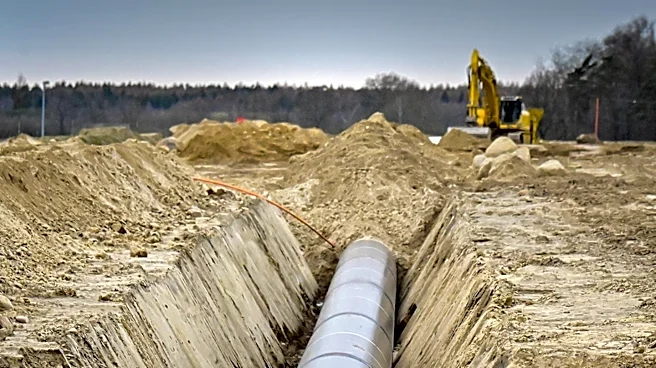
Environmental advocates and landowners in Mississippi are actively opposing two proposed natural gas pipelines, the Mississippi Crossing Pipeline (MSX) and the Kosciusko Junction pipeline. The Mississippi Crossing Pipeline has already received approval,
while the Kosciusko Junction pipeline awaits final approval from the Federal Energy Regulatory Commission (FERC). These projects, spanning over 300 miles across 11 Mississippi counties, are raising concerns due to their potential environmental and health impacts. Lea Campbell of the Mississippi Pipelines Working Group highlights risks associated with the large-diameter, high-pressure pipes and the toxic emissions from compressor stations, which could affect vulnerable populations. Bobbie Miller, a resident of Isola, notes that both projects are slated to run through her property, within 500 feet of her home, without providing any local benefits. Kinder Morgan, the developer of Mississippi Crossing, states the project is a $1.7 billion investment aimed at meeting the state's growing energy needs, with construction scheduled for early 2027 and service targeted for 2028. Boardwalk Pipeline Partners, responsible for the Kosciusko Junction Pipeline, asserts that their project supports energy demand while adhering to FERC policies and environmental reviews.
Why It's Important?
The pushback against these natural gas pipelines underscores a growing tension between energy infrastructure development and environmental and community concerns in the U.S. The proposed pipelines traverse the 'Black Belt' region, an area with a high percentage of Black residents, raising questions about environmental justice and the disproportionate impact of industrial projects on marginalized communities. The debate highlights the differing perspectives of energy companies, which emphasize economic development and energy security, and local residents and environmental groups, who prioritize public health, safety, and environmental protection. The Federal Energy Regulatory Commission's role in approving such projects, based on environmental impact statements and mitigation measures, is also under scrutiny. The outcome of these projects could set precedents for future infrastructure developments, influencing how environmental and social considerations are weighed against economic benefits and energy demands across the nation.
What's Next?
Federal regulators are expected to issue a final decision on the Kosciusko Junction project before the end of September. If approved, construction for the Mississippi Crossing Pipeline is scheduled to begin in early 2027, with service targeted for 2028. Environmental advocates, such as Lea Campbell, continue to encourage Mississippians to stay informed and engaged regarding infrastructure projects that could affect their communities. The ongoing dialogue between pipeline companies, landowners, and advocacy groups will likely continue, focusing on mitigation measures, compensation for affected property owners, and the long-term environmental and health monitoring of these projects. The legal and regulatory challenges to these pipelines may also evolve, potentially leading to further delays or modifications based on public and environmental concerns.
Beyond the Headlines
Beyond the immediate concerns of construction and operation, these pipeline projects touch upon broader ethical and societal implications. The routing of pipelines through historically marginalized communities, such as the 'Black Belt,' raises critical questions about environmental racism and equitable development. The long-term health impacts of compressor station emissions on vulnerable populations, including the elderly, children, and individuals with pre-existing conditions, highlight the need for comprehensive public health assessments. Furthermore, the debate reflects a national struggle to balance the demand for natural gas as an energy source with the imperative to transition to cleaner energy and mitigate climate change. The resistance from local communities and environmental groups signals a growing demand for greater transparency, accountability, and community involvement in infrastructure planning, challenging the traditional top-down approach to energy development.