




What's Happening?
The 75th anniversary of the 1951 Refugee Convention is being marked by reflections on its impact and ongoing challenges faced by refugees worldwide. The convention, established after World War II, has been instrumental in defining refugee rights and setting
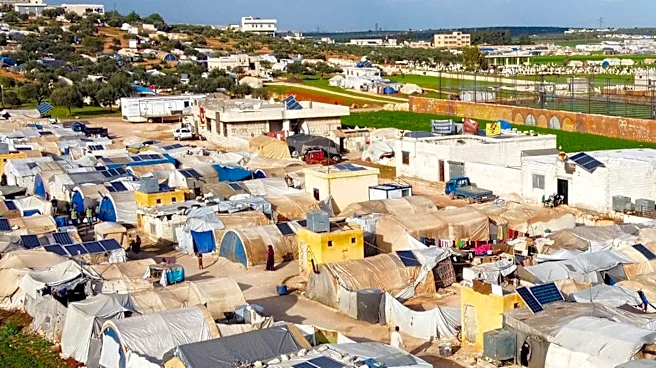
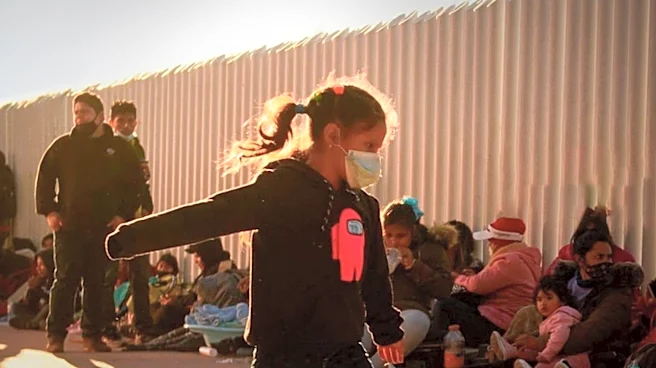
standards for their treatment. Despite its successes, the convention's principles are under strain as some countries, including the United States under President Trump, have implemented policies that restrict asylum seekers. Currently, over 41 million refugees remain forcibly displaced, with the majority hosted by low- and middle-income countries. The convention's core principle of 'non-refoulement' prohibits returning individuals to places where they face persecution, yet many nations hosting large refugee populations are not signatories, leaving millions without protection.
Why It's Important?
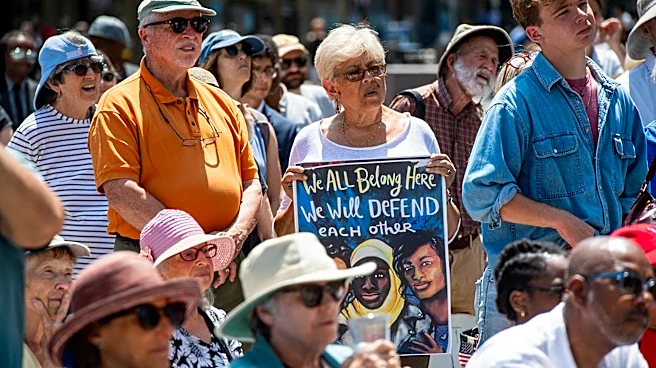
The anniversary of the Refugee Convention serves as a reminder of the ongoing global refugee crisis and the need for international cooperation to address it. The convention has saved countless lives by providing a framework for refugee protection, but its effectiveness is challenged by geopolitical tensions and restrictive immigration policies. The situation underscores the importance of upholding international agreements and finding sustainable solutions for displaced populations. The U.S. and other countries' policies on asylum and refugee resettlement have significant implications for global human rights and humanitarian efforts.
Beyond the Headlines
The challenges faced by refugees highlight broader issues of global inequality and the responsibility of wealthier nations to support those fleeing conflict and persecution. The convention's principles are rooted in the idea that no society is immune to upheaval, emphasizing the need for solidarity and shared responsibility. As conflicts and climate change continue to drive displacement, the international community must adapt and strengthen mechanisms to protect vulnerable populations. The stories of individual refugees, such as those who have found safety and new opportunities, illustrate the transformative impact of effective refugee policies.