


What's Happening?
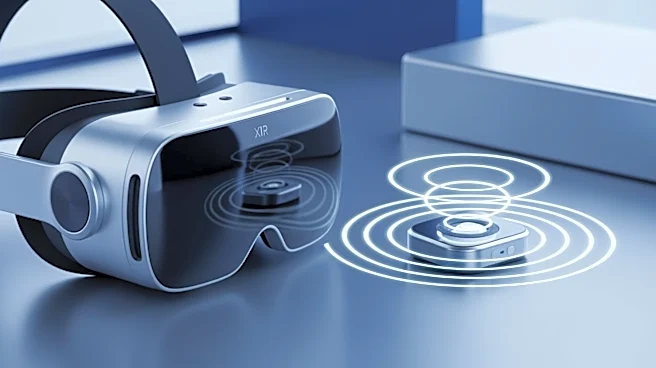
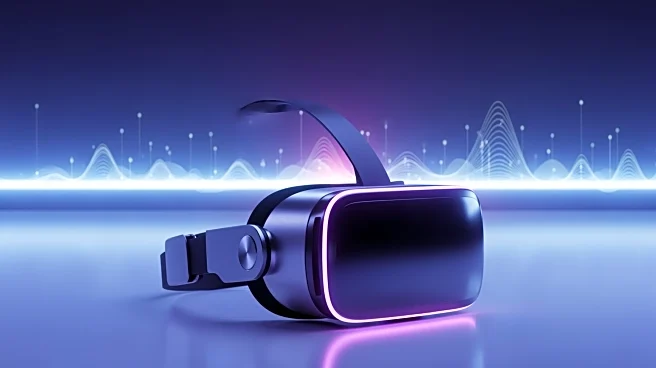
Researchers at Rutgers University have developed a new biometric security system called VitalID, which uses vibrations in the skull to authenticate users on extended reality (XR) platforms. This system leverages unique vibration patterns generated by
a person's breathing and heartbeats, which resonate through the skull. The technology aims to provide a seamless and hardware-free authentication method for accessing sensitive data in virtual and augmented reality environments. The study involved 52 users over ten months, demonstrating high accuracy in user authentication. The system could potentially replace traditional passwords, enhancing security in various sectors such as finance and healthcare.
Why It's Important?
The introduction of VitalID could significantly impact the security landscape for XR devices, which are increasingly used in sensitive applications. By eliminating the need for passwords, this technology addresses common security vulnerabilities associated with password management. It also offers a more user-friendly experience, as it requires no additional hardware or effort from users. The adoption of such biometric systems could lead to broader acceptance and integration of XR technologies in everyday life, potentially transforming industries that rely on secure data access.
What's Next?
If commercialized, VitalID could see widespread adoption across various industries that utilize XR technologies. Stakeholders in sectors like finance, healthcare, and education may explore integrating this biometric system to enhance security and user experience. Further research and development could focus on refining the technology and expanding its applications. The success of VitalID could also prompt other institutions to develop similar biometric solutions, driving innovation in the field of digital security.