
What's Happening?
Former Israeli Navy commander Maj.-Gen. (res.) Eliezer Marom has stated that the US is more coordinated with China than many assume, amid the ongoing tensions in the Strait of Hormuz. He claims that alternative
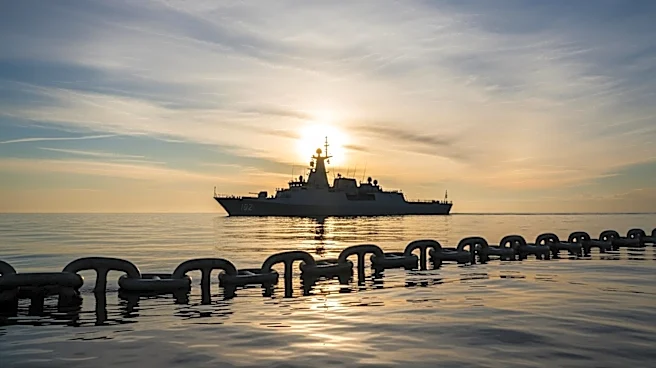
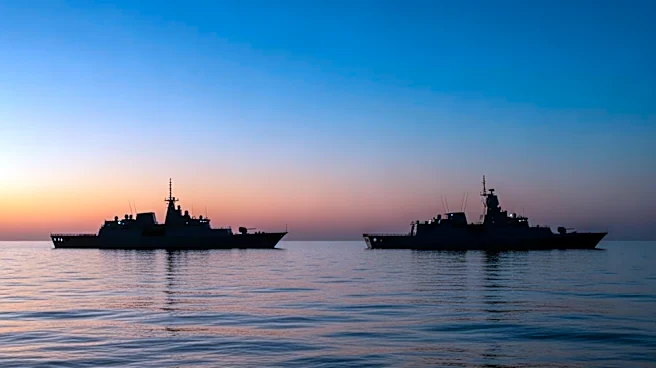
energy arrangements, such as Chinese supplies from Russia, are mitigating the impact of regional disruptions on global fuel markets. Marom also noted that Iran's claim of control over the strait is being challenged by American military superiority. He suggests that the US's naval blockade is effectively pressuring Iran, which relies on external revenue.
Why It's Important?
The coordination between the US and China in managing the Hormuz crisis highlights the complex geopolitical dynamics at play. The situation underscores the importance of international cooperation in maintaining global energy security and stability. The US's ability to leverage its military presence to exert pressure on Iran reflects its strategic interests in the region. The potential for increased energy exports from the US and Russia could shift global energy markets, affecting countries dependent on Middle Eastern oil.
What's Next?
The US may continue to apply pressure on Iran through its naval blockade, while exploring diplomatic options to resolve the crisis. The international community will likely monitor the situation closely, as any escalation could have significant implications for global trade and energy security. The outcome of these developments will depend on Iran's willingness to engage in negotiations and reach a compromise with the US.