




What's Happening?
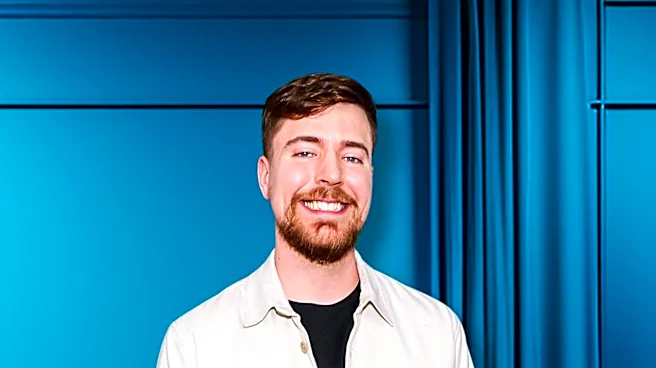
Beast Philanthropy, founded by MrBeast, and the Rockefeller Foundation have announced a strategic alliance to implement 'regenerative school meals' programs in Bomet County, Kenya, and Ghana's Eastern Region. This initiative aims to provide daily lunches
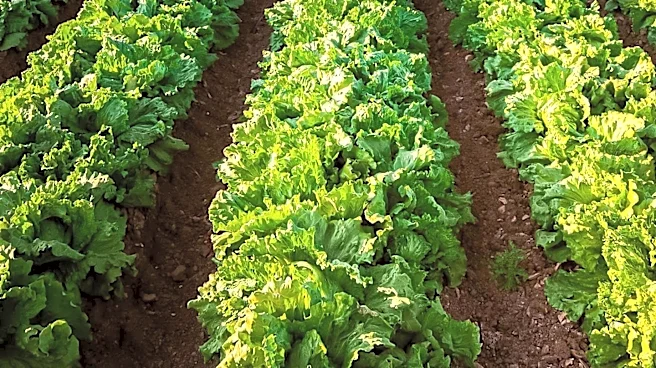
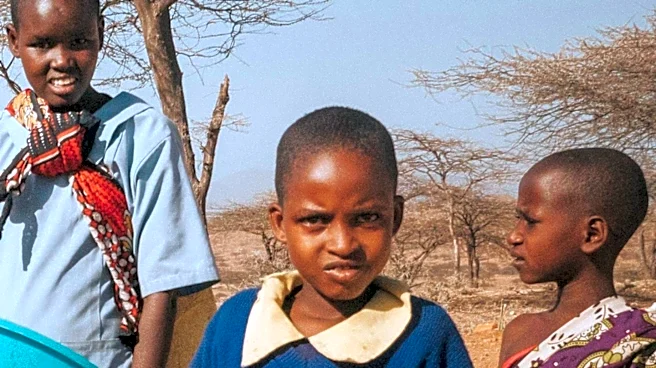
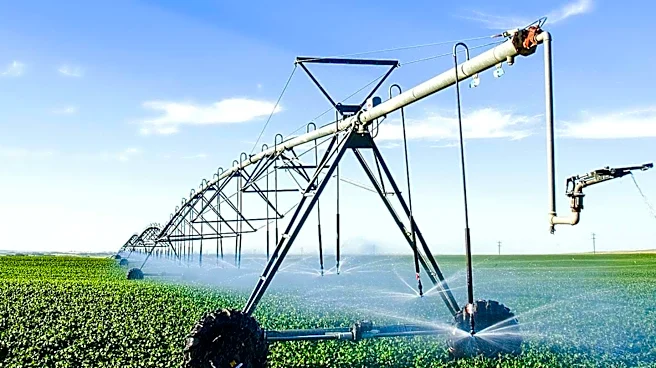
to approximately 4,000 children, five days a week, for five years. In Kenya, the program focuses on establishing school gardens for nutrition and regenerative farming education, creating a supply chain linking local fortified-bean growers to school kitchens, and utilizing solar-powered clean cooking. MrBeast's prior work in Kenya includes drilling boreholes, rebuilding Oloirien Primary with a kitchen, farm, and greenhouse in 2025, and adding classrooms at Nyakichiwa Primary in Bomet in February 2026. In Ghana, the effort targets ten schools in nine communities, emphasizing intercropping food crops among cocoa trees to supply school kitchens, directly supporting Beast Philanthropy's goal of reducing child labor on cocoa farms. The Rockefeller Foundation had already committed over $6.75 million to school meals in these countries before this partnership.
Why It's Important?
This partnership is significant as it combines the reach and influence of a major digital content creator with the established philanthropic efforts of the Rockefeller Foundation to address food insecurity and promote sustainable practices. The 'regenerative' aspect of the school meals program is crucial, as it aims to create a guaranteed market for farmers adopting soil-building, climate-resilient agricultural methods. This approach not only provides nutritious meals for children but also supports local economies and environmental sustainability. By integrating clean cooking solutions, the initiative addresses health concerns related to indoor smoke and reduces fuel costs for parents. The program's focus on linking nutrition to the supply chain of Donaldson's Feastables chocolate brand in Ghana highlights an innovative model for corporate social responsibility. Furthermore, the storytelling component, funded by Rockefeller, seeks to leverage global attention to attract more private donations, volunteering, and political will, potentially scaling the impact of such initiatives.
What's Next?
The program's rollout in Kenya will begin in three schools, with plans to build a scalable model for drier landscapes. In Ghana, the work will commence in ten schools across nine communities. The partners, including AGRA, Ecobora, CARE, BURN Manufacturing, Fairtrade Africa, and the West Akyem Cooperative Cocoa Farmers and Marketing Union, will continue to collaborate on implementation. The Rockefeller Foundation is funding Beast Philanthropy to document the stories of students, families, and farmers involved, aiming to raise global awareness and encourage further support. The success of this model, particularly its ability to integrate regenerative farming, clean energy, and local supply chains, will be closely monitored as a potential blueprint for similar initiatives in other regions facing food insecurity and climate challenges. The Kenyan government's pledge to expand its school meal program to 10 million learners by 2030 provides a broader context for the potential impact and scalability of such efforts.
Beyond the Headlines
This collaboration represents a novel approach to philanthropy, blending traditional foundation work with the modern influence of digital creators. The emphasis on 'regenerative' agriculture goes beyond simply providing food; it aims to foster long-term ecological and economic resilience within communities. By connecting school meals directly to local farming practices, the initiative seeks to create a virtuous cycle where improved nutrition supports education, and sustainable farming practices support local livelihoods and environmental health. The involvement of MrBeast, a figure with a massive online following, could significantly alter the landscape of philanthropic engagement by bringing global attention and a new generation of donors to complex issues like hunger and sustainable development. This model could inspire other influencers and organizations to adopt similar integrated approaches, potentially leading to more holistic and impactful solutions for global challenges.