




What's Happening?
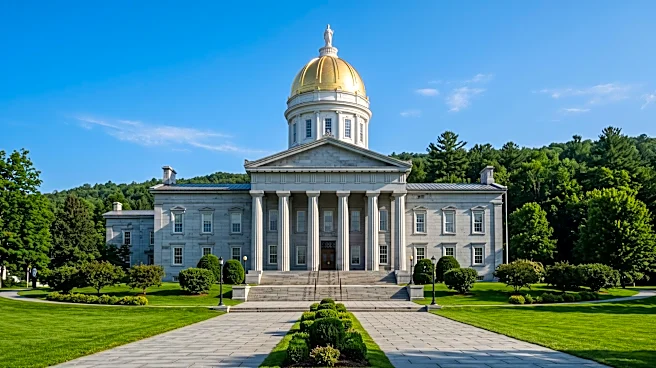
Rural Vermont Rising, a grassroots organization with approximately 18,000 members, continues to advocate for policy changes in Vermont, particularly concerning land use and rural economic development. This movement gained significant traction after Governor
Phil Scott signed a partial rollback of Act 181, a 2024 statute that had overhauled Vermont’s land use permitting approach. The repealed sections included complex review requirements for development in sensitive ecosystems (Tier 3 areas) and for some new roads and driveways, also exempting certain on-farm business ventures from these reviews. This reversal by the Democrat-controlled Legislature was largely influenced by widespread advocacy from rural Vermonters who perceived the original Act 181 as restrictive and top-down. The movement, which began with a Facebook page, has since become a broad forum for organizing around issues affecting rural communities, including balancing conservation with housing and economic development, and attracting young people to the state through viable land-based industries.
Why It's Important?
The ongoing advocacy by Rural Vermont Rising is important as it represents a significant grassroots movement influencing state policy and political discourse in Vermont. The partial rollback of Act 181 demonstrates the power of organized citizen engagement in shaping legislation, even against initial legislative intent. This movement highlights the tension between environmental conservation efforts and the economic needs and property rights of rural communities. It underscores the challenges of balancing statewide development goals with local concerns, particularly in areas reliant on agriculture and natural resources. The movement's focus on issue-based discussion over partisan politics could serve as a model for other states facing similar rural-urban divides. Furthermore, the engagement of political candidates across the spectrum with Rural Vermont Rising indicates a recognition of the movement's growing influence and the need for policymakers to address the concerns of rural landowners and farmers, potentially leading to more inclusive policy-making processes.
What's Next?
Rural Vermont Rising is actively working to convert its grassroots momentum into lasting policy changes. The movement has begun establishing a more formal leadership structure, including a steering committee and local chapters, to strengthen internal communication and advocacy capabilities. They have also launched a website, 'Grow What’s Good Here,' which outlines a comprehensive set of policy recommendations crowdsourced from rural Vermonters. These recommendations cover a range of issues, from land use deregulation for farms and forests to changes in school funding and the role of regional planning commissions. The movement aims to ensure rural voices are fully integrated into the legislative process, regardless of who takes office in January. The upcoming legislative session will likely see these proposals brought forward, and the engagement of candidates with the movement suggests that rural issues will remain a prominent topic in Vermont politics. The movement's non-partisan approach is seen as crucial for its continued strength and ability to influence policy.
Beyond the Headlines
The rise of Rural Vermont Rising reflects a broader national trend of rural communities feeling marginalized by state-level policies, often perceived as being crafted without sufficient input from those directly affected. This movement highlights the evolving dynamics of political engagement, where online platforms like Facebook can quickly mobilize large groups and translate digital activism into tangible policy outcomes. It also brings to the forefront the complex ethical debate surrounding land use, property rights, and environmental protection, particularly when these issues impact the livelihoods and cultural identity of rural populations. The movement's emphasis on non-partisan, issue-based advocacy challenges traditional political structures and encourages a more direct form of democracy. This could lead to a re-evaluation of how state governments engage with diverse constituencies and ensure that policies are equitable and reflective of the needs of all residents, not just those in urban centers. The long-term success of such movements will depend on their ability to maintain unity and focus on substantive policy changes rather than succumbing to partisan divisions.