
What's Happening?
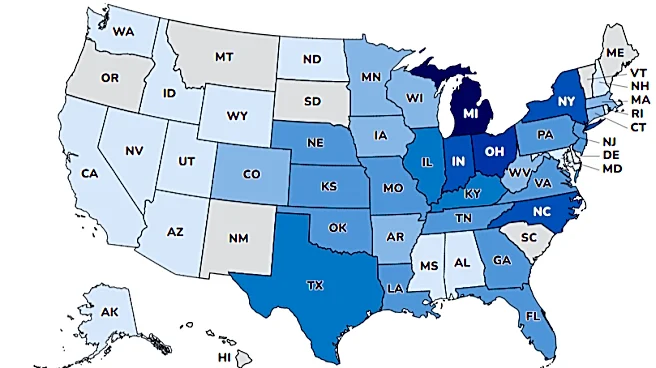
A significant outbreak of cyclosporiasis, a parasitic infection causing gastrointestinal symptoms, has been reported across the United States, with new cases emerging in Illinois, Kansas, Oklahoma, and
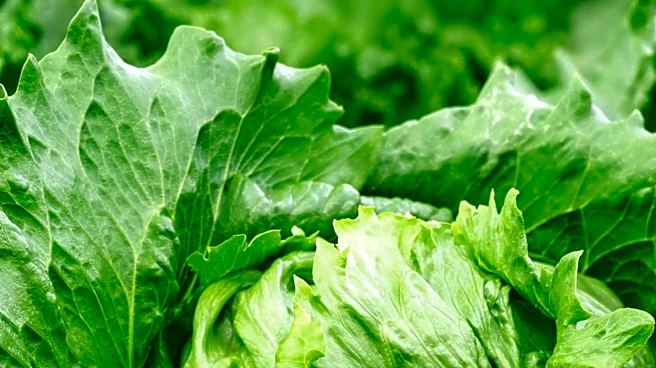
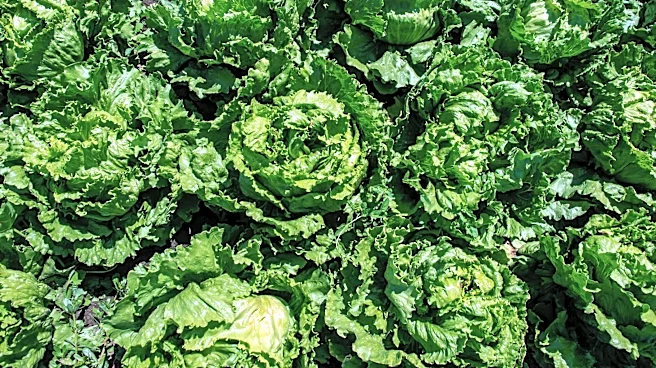
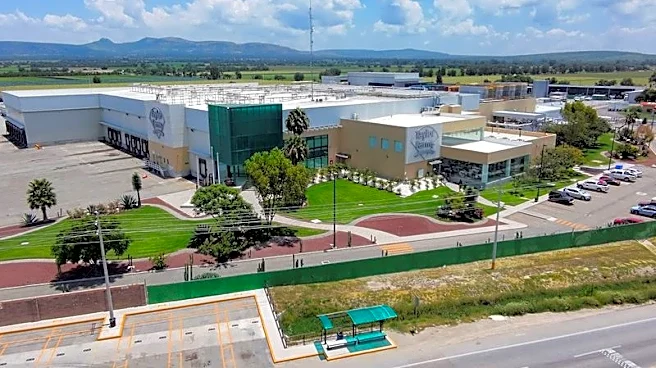
Pennsylvania. The outbreak has been linked to iceberg lettuce sourced from Taylor Farms de Mexico, which was used in Taco Bell locations. The Food and Drug Administration (FDA) and the Centers for Disease Control and Prevention (CDC) are investigating the outbreak, which has resulted in 4,173 laboratory-confirmed cases and over 7,400 cases under review since May 1. Taylor Farms has issued a voluntary recall of all potentially contaminated iceberg lettuce and suspended production in central Mexico. Taco Bell has also removed the affected lettuce from its supply chain. Meanwhile, North Carolina is experiencing a separate cyclospora outbreak linked to parsley and cilantro, which is not connected to the Taco Bell cases.
Why It's Important?
The outbreak highlights the vulnerabilities in the food supply chain, particularly concerning imported produce. The widespread nature of the infection underscores the challenges in tracing and controlling foodborne illnesses. The recall and suspension of lettuce production by Taylor Farms could have significant economic implications for the company and its suppliers. Additionally, the outbreak may lead to increased scrutiny and regulatory measures on imported produce, affecting international trade relations. Public health responses are critical to managing the outbreak and preventing further spread, emphasizing the need for robust food safety protocols and rapid response mechanisms.
What's Next?
The FDA and CDC will continue their investigation to identify the source of contamination and prevent further cases. Public health officials are expected to monitor the situation closely and provide updates on the outbreak's status. Consumers are advised to avoid products listed in the recall, and further recalls may be issued if additional contaminated products are identified. The outbreak may prompt discussions on improving food safety standards and traceability in the supply chain, potentially leading to policy changes. Stakeholders, including food producers and retailers, will need to assess their safety protocols to prevent future incidents.