






What's Happening?
Gas prices in the United States have reached their highest levels in four years, with the national average for a gallon of gas standing at $4.55. This increase, a 42% rise from the previous year, is largely attributed to the ongoing conflict in Iran,
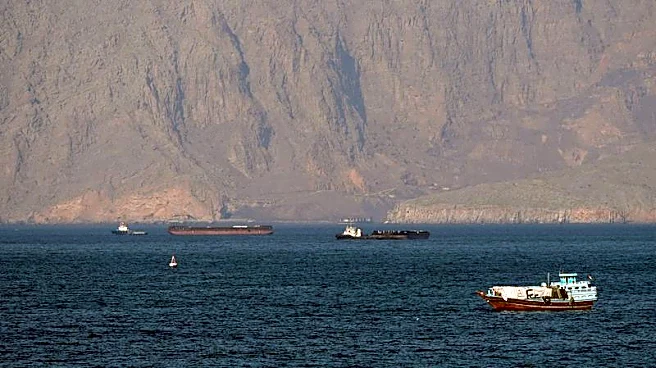
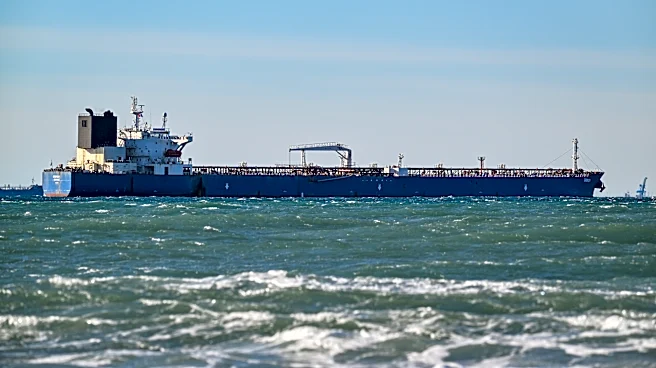
which has disrupted global oil supplies. The closure of the Strait of Hormuz by Iran has significantly impacted crude oil availability, leading to a spike in prices. As a result, six states, including California, are experiencing average gas prices above $5 per gallon. Despite these high prices, travel demand remains strong, with an estimated 39 million Americans expected to travel by car over the Memorial Day weekend.
Why It's Important?
The surge in gas prices has significant economic implications, particularly for low-income households, which are disproportionately affected by the increased costs. The conflict in Iran has created a historic oil shortage, driving up crude prices and, consequently, the cost of auto fuel. This situation highlights the vulnerability of global oil markets to geopolitical tensions and the potential for significant economic disruption. The increased travel costs could lead to reduced consumer spending in other areas, impacting the broader economy. Additionally, the situation underscores the importance of energy diversification and the potential benefits of transitioning to alternative energy sources.
What's Next?
Negotiations are ongoing to potentially reopen the Strait of Hormuz, which could alleviate some of the pressure on oil prices. However, analysts suggest that gas prices may not fully normalize until well into 2027, even if the strait reopens. The U.S. government and international stakeholders are likely to continue diplomatic efforts to resolve the conflict and stabilize oil markets. In the meantime, consumers may need to adjust their travel and spending habits in response to the higher fuel costs.