



What's Happening?
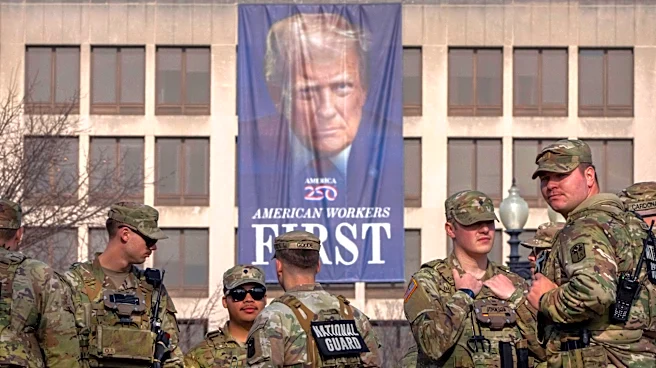
President Trump has intensified his rhetoric against Democrats by labeling them as 'jihadists' in a new line of attack ahead of the midterm elections. This marks an escalation in his ongoing efforts to portray the Democratic Party as extreme. Trump has previously
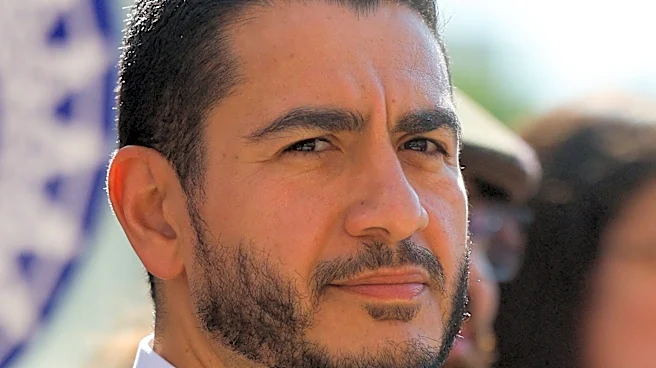
criticized Muslim politicians, including Rep. Ilhan Omar and Michigan Senate candidate Abdul El-Sayed, using inflammatory language. His comments have sparked controversy and are part of a broader GOP strategy to paint Muslim candidates as anti-American. Trump's statements have been met with criticism for their divisive nature and lack of evidence.
Why It's Important?
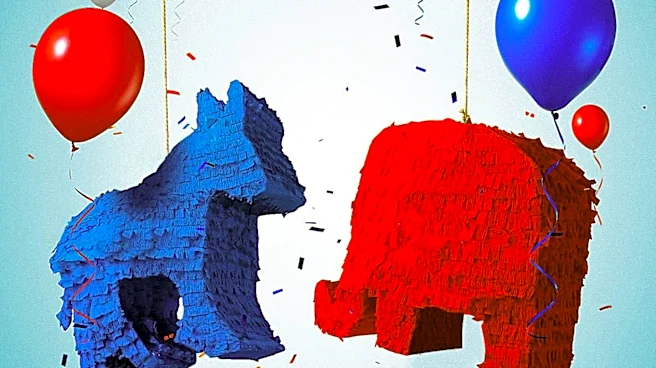
Trump's use of the term 'jihadists' to describe Democrats is significant as it reflects a broader trend of using inflammatory language to polarize political discourse. This rhetoric could further deepen divisions within the U.S. political landscape and contribute to an environment of intolerance and misunderstanding. The targeting of Muslim politicians raises concerns about religious discrimination and the potential for increased hostility towards Muslim communities. Such language may also influence voter perceptions and impact the upcoming midterm elections, shaping the political narrative and voter turnout.
What's Next?
As the midterm elections approach, it is likely that President Trump and other GOP members will continue to use provocative language to rally their base. This strategy may prompt responses from Democratic leaders and civil rights organizations, who may call for a more inclusive and respectful political dialogue. The impact of this rhetoric on voter behavior and election outcomes will be closely watched, as it could influence the political landscape and policy priorities in the coming years.