






What's Happening?
A recent study has highlighted significant socioeconomic disparities in access to recycling infrastructure across the United States. The research focused on Material Recovery Facilities (MRFs) and their distribution, revealing that many areas, particularly
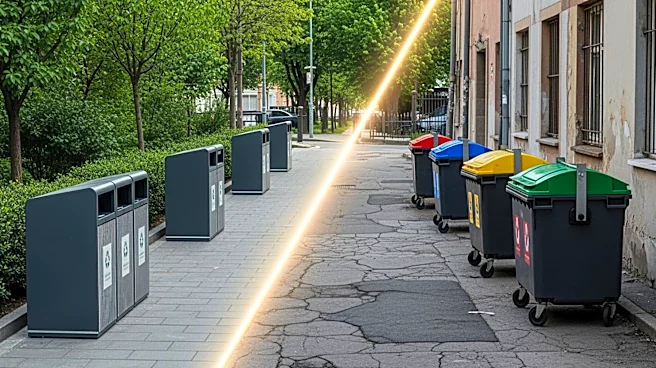
those with high plastic packaging waste generation, lack adequate access to these facilities. The study utilized geospatial analysis to measure the average distance from residential and commercial buildings to the nearest MRF, identifying underserved regions. It also examined the relationship between socioeconomic factors such as income, education, and recycling rates, finding that areas with lower socioeconomic status tend to have less access to recycling facilities. The study aims to inform strategic siting and investment in recycling infrastructure to improve recycling outcomes and address these inequities.
Why It's Important?
The findings of this study are crucial for understanding the challenges in achieving effective recycling in the U.S. The lack of access to recycling facilities in certain areas not only hampers recycling efforts but also exacerbates environmental and social justice issues. By identifying regions with high waste output and low facility accessibility, the study provides a roadmap for targeted infrastructure investment, which could enhance recycling rates and reduce environmental impact. This is particularly important as the U.S. continues to grapple with high levels of plastic waste generation. Improving access to recycling facilities could lead to better waste management practices, contributing to environmental sustainability and economic efficiency.
What's Next?
The study suggests that areas with the highest plastic packaging waste generation and the worst access to MRFs should be prioritized for infrastructure development. This could involve the strategic siting of new recycling facilities in these regions to improve overall recycling outcomes. Policymakers and environmental agencies may use these findings to guide investment decisions and develop policies that address the identified inequities. Additionally, there may be increased collaboration between government entities and private companies to enhance recycling infrastructure and operations.
Beyond the Headlines
Beyond the immediate implications for recycling infrastructure, the study raises broader questions about environmental justice and the equitable distribution of resources. The socioeconomic disparities in access to recycling facilities reflect larger systemic issues that affect marginalized communities. Addressing these inequities could lead to more inclusive environmental policies and practices, fostering a more sustainable and equitable society. Furthermore, improving recycling infrastructure could stimulate economic growth by creating jobs and supporting industries that rely on recycled materials.