
What's Happening?
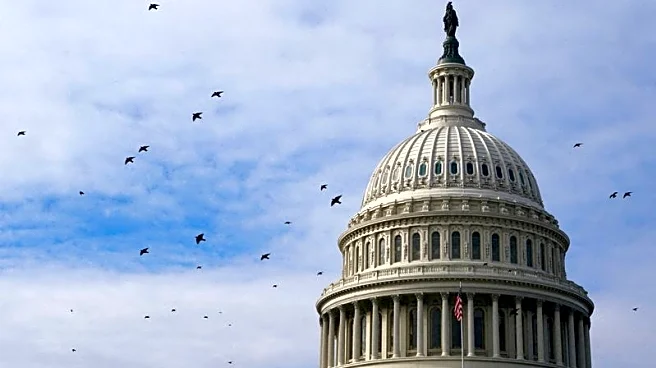
The federal government has entered a partial shutdown after Congress failed to pass funding for several major agencies and departments by the Friday night deadline. This development has resulted in the suspension
of operations for various government functions, affecting numerous federal employees and services. The shutdown is a consequence of legislative gridlock, where disagreements over budget allocations and policy priorities have prevented the passage of necessary funding bills. Caitlin Huey-Burns reports that the shutdown impacts some of the largest government agencies, though specific details on which agencies are affected were not provided in the source.
Why It's Important?
A government shutdown can have significant repercussions on the U.S. economy and public services. Federal employees may face furloughs or work without pay, which can lead to financial strain for those affected. Essential services might be disrupted, impacting everything from national parks to public health services. The shutdown also reflects deeper political divisions within Congress, highlighting challenges in reaching bipartisan agreements on budgetary matters. This situation can erode public trust in government institutions and may influence future legislative negotiations and elections.
What's Next?
The next steps involve Congress reconvening to negotiate and pass a funding bill to end the shutdown. Lawmakers will need to address the contentious issues that led to the impasse, which may involve compromises on spending levels and policy provisions. The resolution of the shutdown will depend on the ability of congressional leaders to broker a deal that satisfies both parties. In the meantime, federal employees and the public will be watching closely for updates on when normal government operations might resume.