






What's Happening?
As fall and winter approach, a pediatric nurse practitioner is providing guidance on how to distinguish between common childhood respiratory infections such as COVID-19, RSV, influenza, and the common cold. These illnesses often present with similar initial
symptoms, making it challenging for parents to identify the specific condition. The nurse practitioner emphasizes the importance of understanding these differences because some illnesses, like COVID-19, can have a higher risk of severe or long-term health effects, while others, such as the flu and RSV, can lead to significant illness and hospitalization, especially for vulnerable populations like infants and young children. Key symptoms for colds include coughing, sneezing, sore throat, and runny nose, typically resolving within 7-10 days. COVID-19 symptoms can last longer (7-14 days, sometimes 3-4 weeks) and often include body aches, shortness of breath, headache, fatigue, fever, loss of taste/smell, and stomach symptoms like abdominal pain, vomiting, and diarrhea. Flu symptoms appear quickly, last 3-7 days, and are similar to COVID-19 but without loss of taste/smell. RSV symptoms align with a cold but include decreased appetite and can lead to serious lung infections, especially in infants and toddlers, lasting 3-4 weeks.
Why It's Important?
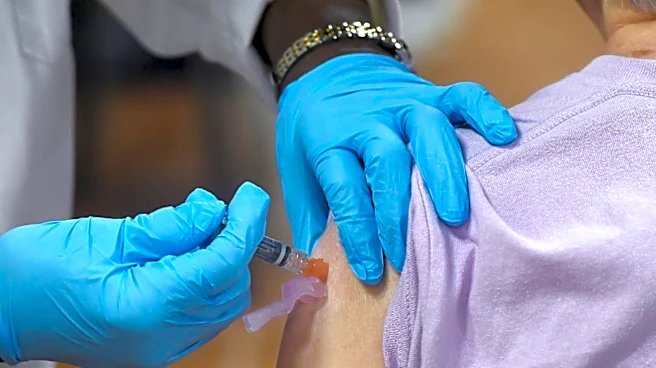
Accurate identification of childhood respiratory illnesses is crucial for public health, particularly in preventing widespread transmission within schools and communities. Sending a sick child to school can prolong their recovery and expose vulnerable individuals, including those with underlying health conditions, to serious complications. The guidance helps parents make informed decisions about when to keep children home, thereby reducing the spread of infections. Furthermore, understanding the specific illness can guide appropriate medical care and vaccination decisions. The American Academy of Pediatrics recommends vaccinations for COVID-19 and the flu for all children over 6 months, and RSV vaccination for infants based on certain criteria. These vaccinations, while not preventing infection entirely, significantly reduce the risk of severe illness and hospitalization, minimizing school absences and healthcare burdens. The advice underscores the ongoing challenge of managing respiratory viruses and the need for continued vigilance and preventative measures.
What's Next?
Parents are advised to keep children home if they exhibit symptoms that could be indicative of these viruses, especially if they have had a fever in the past 24 hours, or are experiencing diarrhea, nausea, or vomiting. A general rule of thumb is to assess if the child can comfortably participate in classroom activities. Home COVID-19 tests can be useful if COVID-19 is suspected, with a positive result being reliable. If a test is negative but symptoms persist, retesting in 48 hours or seeking a PCR test from a healthcare provider is recommended by the Centers for Disease Control and Prevention. While most symptoms can be managed at home, parents should seek medical care if a child's fever does not subside with medication, they have difficulty eating or drinking, or experience trouble breathing. The fall season will continue to be a period of heightened awareness and preventative action against these common respiratory infections.
Beyond the Headlines
The ongoing challenge of differentiating between common respiratory illnesses highlights a broader public health issue: the need for accessible and rapid diagnostic tools. The overlap in symptoms creates diagnostic ambiguity, which can lead to delayed treatment, unnecessary anxiety, or, conversely, a false sense of security. This situation also underscores the importance of public health education and the role of healthcare professionals in disseminating clear, actionable information to the public. The emphasis on vaccination reflects a long-term strategy to mitigate the impact of these viruses, shifting the focus from reactive treatment to proactive prevention. The advice also subtly touches upon the societal impact of illness, such as school absenteeism and the burden on working parents, illustrating how individual health decisions have wider community implications. The continued circulation of these viruses necessitates sustained public health campaigns and research into more effective prevention and treatment strategies.