



What's Happening?
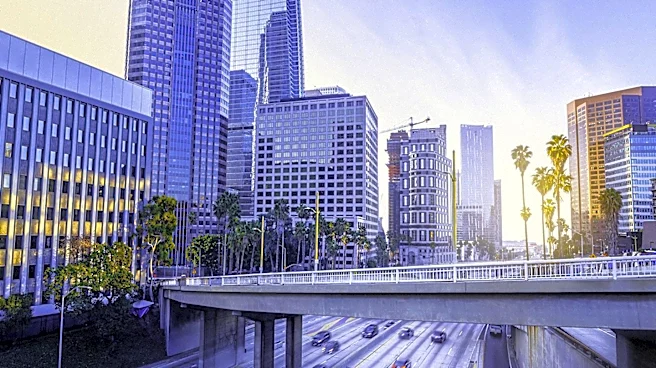
The city of Los Angeles has activated approximately one-fifth of its new speed cameras, which are currently issuing automated warnings to drivers. The remaining cameras are scheduled to become operational later this year. Each speed camera will enforce
a 60-day warning period before transitioning to issuing fines. Penalties for speeding will range from $50 for exceeding the limit by 11 mph to $500 for speeds over 100 mph. This initiative is part of a pilot program that was signed into law three years ago, involving 125 speed cameras across the city. Other California cities, such as Glendale and Long Beach, are also participating in this program, with Long Beach having already activated its speed cameras earlier this month. The Los Angeles Department of Transportation (LADOT) states that the primary goal of the program is to deter speeding and enhance street safety, rather than to generate revenue. Revenue collected from fines will be allocated to LADOT programs aimed at improving street safety and facilitating travel. To address privacy concerns, the law mandates that all photos and administrative records are confidential, and LADOT will not share personally identifiable data with law enforcement agencies, except as legally required by California law.
Why It's Important?
The implementation of speed cameras in Los Angeles marks a significant shift in traffic enforcement strategy, moving towards automated systems to address speeding and improve road safety. This initiative could have a substantial impact on driver behavior, potentially leading to a reduction in traffic accidents and fatalities within the city. For residents, it means a heightened awareness of speed limits and the potential for financial penalties if warnings are disregarded. The program's emphasis on a 60-day warning period before fines are issued provides a grace period for drivers to adjust to the new enforcement measures, which could mitigate immediate public backlash. The allocation of revenue to street safety programs suggests a commitment to reinvesting in infrastructure and initiatives that benefit all road users, aligning with the stated goal of discouraging speeding rather than revenue generation. However, the privacy provisions, while aiming to protect personal data, may still raise questions among some citizens regarding surveillance and data usage, particularly given the evolving landscape of automated license plate readers and their use by law enforcement.
What's Next?
Over the coming months, the remaining speed cameras in Los Angeles will be activated, expanding the reach of this automated enforcement program across the city. Drivers should anticipate the end of the 60-day warning period for the currently active cameras, after which fines will be issued for violations. The Los Angeles Department of Transportation (LADOT) will likely continue to monitor the effectiveness of the program in reducing speeding and improving road safety. Public reaction to the issuance of fines, once the warning period concludes, will be a key factor in evaluating the program's acceptance and potential adjustments. There may also be ongoing discussions and scrutiny regarding the balance between public safety, automated enforcement, and individual privacy rights, especially as the program matures and more data becomes available on its impact. The experiences of other participating California cities, such as Glendale and Long Beach, could also inform future decisions and modifications to Los Angeles's speed camera program.
Beyond the Headlines
The introduction of speed cameras in Los Angeles reflects a broader trend in urban areas towards leveraging technology for public safety and traffic management. This shift raises deeper questions about the role of automation in civic life and the evolving relationship between citizens and municipal governance. While proponents highlight the potential for objective enforcement and reduced human error, critics may point to concerns about algorithmic bias, the potential for disproportionate impact on certain communities, and the erosion of privacy. The program's success will not only be measured by accident reduction but also by public trust and perceived fairness. The debate over whether such systems are primarily about safety or revenue generation is likely to persist, influencing public perception and political discourse. Furthermore, the integration of such technologies could pave the way for more comprehensive 'smart city' initiatives, prompting ongoing discussions about data governance, civil liberties, and the future of urban living in an increasingly automated world.