





What's Happening?
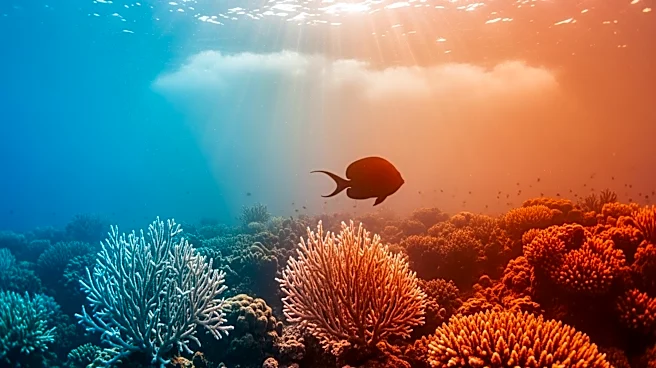
A marine heat wave is causing significant disruptions along the U.S. West Coast, particularly affecting California. Ocean temperatures have risen 4 to 8 degrees above average, leading to disruptions in the food chain. This has resulted in seabirds and
other wildlife facing starvation as fish move farther offshore. The heat wave is expected to persist through spring and summer, potentially intensifying with the development of an El Niño later in the year. Harmful algal blooms and disruptions to the fishing industry are also notable impacts. The National Oceanic and Atmospheric Administration (NOAA) has classified the climate system as ENSO-neutral, with an El Niño watch in place.
Why It's Important?
The marine heat wave poses a significant threat to marine ecosystems and the fishing industry in California. As fish move to cooler waters, seabirds and marine mammals struggle to find food, leading to increased mortality rates. The fishing industry faces potential disruptions, affecting seafood availability and pricing. The situation highlights the broader impacts of climate change, as marine heat waves become more frequent and intense. This could have long-term economic implications for coastal communities reliant on fishing and tourism.
What's Next?
Forecast models suggest that the marine heat wave conditions will continue through the summer, with a potential transition to El Niño later in the year. This could exacerbate the current situation, leading to further ecological and economic impacts. Stakeholders, including environmental agencies and the fishing industry, may need to implement adaptive measures to mitigate the effects. Monitoring and research will be crucial in understanding and responding to these changes.