








What's Happening?
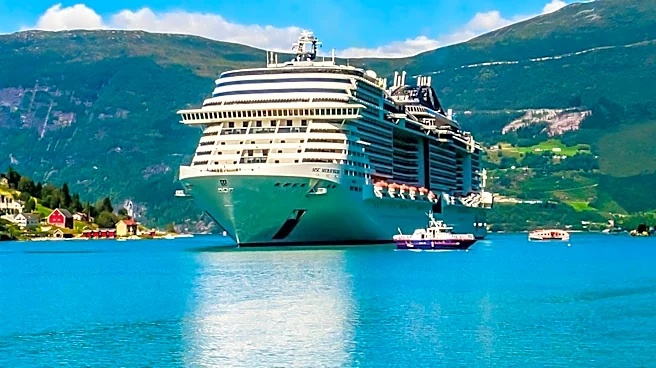
MSC Cruises, a European cruise line, has initiated a community engagement program in Ketchikan, Alaska, by inviting children from the Ketchikan Gateway Borough Parks & Recreation Summer Camp aboard its ships. This initiative, which took place during MSC Cruises'
first season in Alaska, involved 36 children and 14 staff members. The participants received a firsthand look at ship operations, interacted with crew members, and learned about Alaska's marine ecosystem. They also enjoyed lunch on board. This effort stems from discussions between MSC Cruises executives, Ketchikan's mayor, and local stakeholders to foster stronger community ties and better integrate with the local population. The program aims to provide educational opportunities and expose local youth to the cruise tourism industry from an insider's perspective.
Why It's Important?
This program is important as it signifies a shift in how cruise lines are interacting with port communities, moving beyond purely economic transactions to more direct community involvement. Historically, the benefits of cruise tourism for local communities have been debated, with concerns about whether international corporations or local businesses truly profit. By engaging local youth in educational experiences, MSC Cruises is investing in future generations and potentially fostering a more positive relationship with the community. This approach can help address concerns about 'overtourism' and ensure that the presence of cruise ships contributes to the social and educational well-being of residents, not just the economy. It also provides valuable exposure for local children to potential career paths within the maritime industry and a deeper understanding of their local environment.
What's Next?
The success of this initial program could lead to similar initiatives by MSC Cruises and other cruise lines in Ketchikan and other Alaskan ports. Continued engagement with local stakeholders will be crucial to identify further opportunities for collaboration that benefit the community. This might include expanding the scope of educational programs, offering internships, or supporting local environmental initiatives. The feedback from the camp representative, highlighting the value of behind-the-scenes exposure, suggests a demand for such programs. Other cruise lines may observe this model and implement similar community-focused strategies to enhance their social license to operate in sensitive Alaskan ecosystems and communities. The long-term impact will depend on the sustained commitment of cruise lines to these types of partnerships.
Beyond the Headlines
This initiative reflects a broader trend in the tourism industry towards more sustainable and community-centric practices. As destinations worldwide grapple with the impacts of tourism, there's increasing pressure on operators to demonstrate tangible benefits for local populations beyond economic contributions. This program, by focusing on youth education and engagement, touches upon the ethical dimension of corporate responsibility. It suggests a recognition that a healthy relationship with host communities is vital for long-term business viability. Such programs can help bridge the cultural gap between transient tourists and permanent residents, fostering mutual understanding and respect. It also highlights the potential for cruise lines to act as educational platforms, leveraging their resources to teach about marine science and local culture, thereby enriching the experience for both the community and, indirectly, their passengers.